PFAS in Private Wells: Hidden Chemical Threat Endangers Millions
PFAS Contamination: The Growing Threat Lurking in America's Private Wells
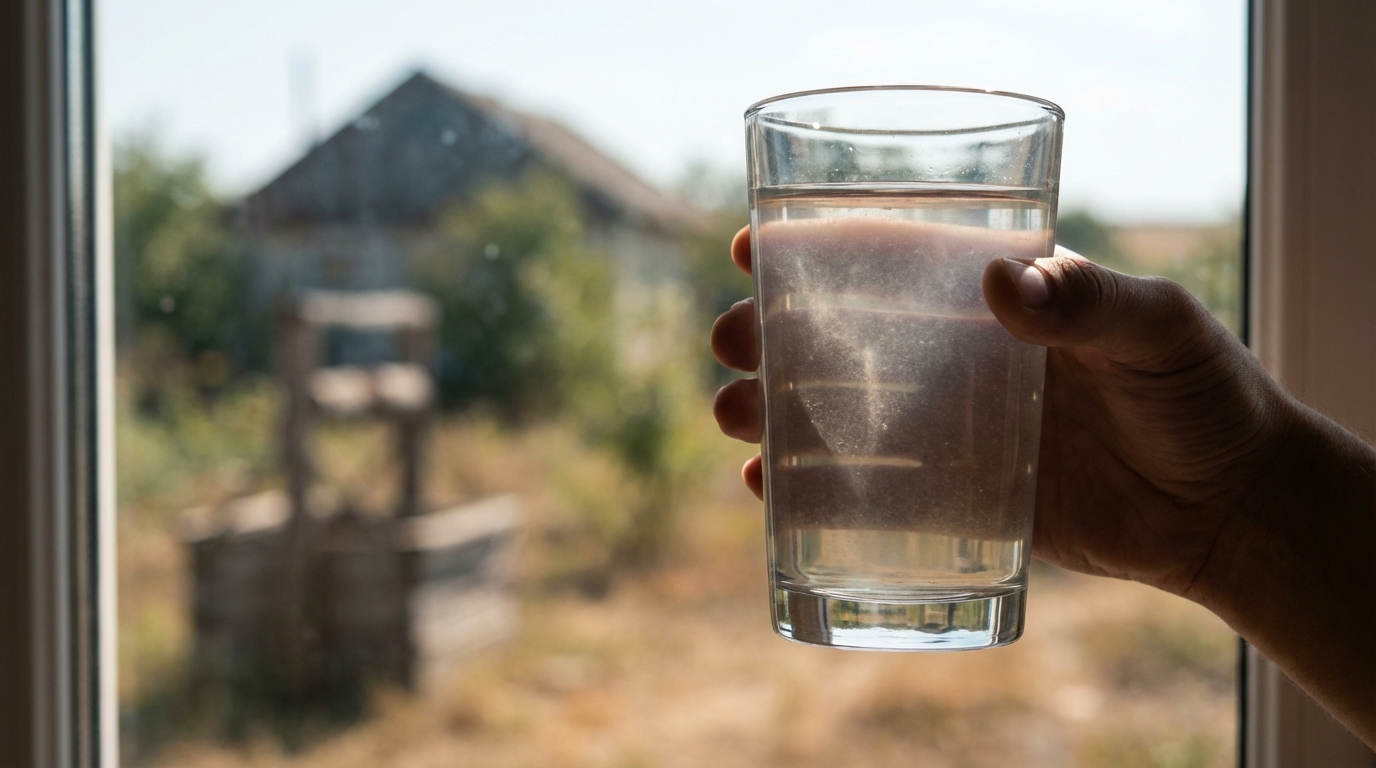
A simple decision can sometimes change everything. For Kristen Hanneman, a Wisconsin resident, agreeing to a free test of her private well in 2022 revealed a crisis that would upend her family's life and expose a widespread threat facing millions of Americans. The test found levels of PFAS -- often called "forever chemicals" -- in her well thousands of times above federal safety limits. Suddenly, the water her children grew up drinking was deemed unsafe overnight, and Hanneman was told to stop using it immediately.
Her experience is not unique. Across the United States, communities near industrial sites and military bases are discovering that PFAS contamination is far more extensive than previously believed. These chemicals, prized for their ability to repel water and withstand heat, have been used in everything from nonstick cookware to firefighting foam. But their persistence in the environment and the human body has made them a growing concern for public health and safety.
PFAS do not break down easily. Once released, they can travel through soil and water, accumulating in rivers, lakes, and groundwater. In places like Stella, Wisconsin, the consequences are visible: fish and deer are now considered unsafe to eat, and property values have plummeted as residents struggle to sell homes tainted by invisible toxins. The contamination is so widespread that, according to government estimates, up to half of all U.S. households may have some level of PFAS in their water supply -- whether from a municipal tap or a private well.
Why Private Well Owners Are Especially Vulnerable
Roughly 40 million Americans rely on private wells for their drinking water. Unlike public water systems, these wells are not subject to the same federal testing and safety standards. In fact, at least 20 states do not routinely test private wells for PFAS unless contamination is already suspected. Even in states that do offer testing, resources are often limited, and residents may wait years for help. For many, the only way to discover if their water is contaminated is through a random test, as happened in Stella.
The cost of testing a well for PFAS can run into hundreds of dollars, a barrier for many families. Some states, like Michigan, have stepped up by providing free testing near known PFAS hotspots and allocating more than $29 million in grants to help affected residents connect to safer public water supplies. Still, convincing people to take the threat seriously remains a challenge. As Abigail Hendershott, who leads Michigan's PFAS response team, points out, it's difficult to get even half of residents to accept free testing, let alone install costly filters or switch water sources.
The Health Risks of 'Forever Chemicals'
What makes PFAS so concerning is their ability to accumulate in the body over time, particularly in the liver, kidneys, and blood. Research has linked exposure to increased risks of certain cancers and developmental delays in children. Because these chemicals are odorless and colorless, most people have no idea they are being exposed until it's too late.
While federal regulations have tightened limits on PFAS in public water systems, private well owners remain largely unprotected. Companies responsible for contamination, such as Chemours in North Carolina, have agreed to test and treat some affected wells, but only after lawsuits and public pressure. Even then, the process is slow and incomplete. In the case of Chemours, what was expected to be an 18-month testing campaign has stretched into seven years and 23,000 wells, with contaminated water found along nearly 100 miles of river.
Will this change make a difference?
Despite growing awareness and some proactive state efforts, the scale of PFAS contamination means that millions remain at risk. The chemicals' resilience and widespread use have left a legacy that will take decades to fully address. At VeriFoods, we believe that food and water should be as close to nature as possible. The long-term effects of synthetic contaminants like PFAS are not fully understood, and the precautionary principle guides us to minimize exposure wherever possible. Our commitment to extensive third-party testing for PFAS and other hazardous substances reflects our belief that everyone deserves access to safe, uncontaminated food and water.
For those relying on private wells, the message is clear: don't assume your water is safe just because it looks and tastes clean. Testing is the only way to know for sure, and staying informed is the first step toward protecting your family's health.
💬 Do you rely on a private well for your drinking water, and have you ever considered testing it for PFAS or other contaminants? What would make you more likely to take action?
Share your thoughts in the comments below!
References:
- Associated Press. A crisis emerges across the US as PFAS 'forever chemicals' quietly contaminate drinking water wells. PBS Wisconsin, February 2026.
- Michael Phillis and Helen Wieffering (Associated Press). When forever chemicals contaminate drinking water, private well owners may be the last to know. Winnipeg Free Press, February 2, 2026.
- A crisis emerges across the U.S. as 'forever chemicals' quietly contaminate drinking water wells. The Gazette, February 3, 2026.
Stay ahead of the label.
Get early access to VeriFoods and be the first to see what's really in your food.
Related Articles
176 Million Americans Drink PFAS Water: EPA Just Rolled Back Protections
More than half the US population is drinking tap water contaminated with PFAS forever chemicals. The EPA just rescinded...
The Chemicals in Your Blood You've (Probably) Never Heard Of
PFAS are a family of over 14,000 synthetic compounds—are found in non-stick pans, waterproof clothing, food packaging,...
States Win Big Against PFAS Manufacturers While Product Bans Expand
The $840 Million Question In June 2025, the fight against "forever chemicals" reached a tipping point. While federal...