
Arizona Bans 11 Food Additives in School Meals, a First for Any U.S. State
On April 14, 2025, Arizona Governor Katie Hobbs signed House Bill 2164 into law, making Arizona the first state in the country to ban specific ultra-processed food ingredients from public school cafeterias. The law prohibits 11 named additives from any food served or sold in schools that participate in federally funded meal programs, starting with the 2026-2027 school year.
Among the banned substances: titanium dioxide, a white pigment the European Union pulled from its food supply in 2022 over genotoxicity concerns. The FDA still permits it in products sold across the United States.
What the Law Actually Bans
The Arizona Healthy Schools Act targets 11 specific chemicals by name. According to a legal analysis published by law firm Haynes Boone on April 23, 2025, the banned list includes: FD&C Blue 1, FD&C Blue 2, brominated vegetable oil, FD&C Green 3, potassium bromate, propylparaben, FD&C Red 3, FD&C Red 40, titanium dioxide, FD&C Yellow 5, and FD&C Yellow 6.
Some of these substances were already on their way out at the federal level. The FDA revoked approval for Red Dye No. 3 on January 15, 2025, and had already prohibited brominated vegetable oil as of August 2, 2024. On April 22, 2025, just days after Hobbs signed HB 2164, the FDA announced phaseout plans for six additional petroleum-based dyes, according to the Haynes Boone analysis.
But several of the 11 remain fully legal under federal rules. Titanium dioxide, potassium bromate, and propylparaben carry no FDA restrictions despite documented safety concerns in peer-reviewed research and regulatory action abroad.
The law applies to all schools participating in federally funded meal programs. It covers food served in cafeterias, sold in vending machines, and supplied by third-party vendors, according to Food Safety Magazine's coverage of the bill.
A State Takes the Lead Where the FDA Has Not
Arizona did not act in isolation. The bill passed with overwhelming bipartisan support in both legislative chambers, and its sponsor, Republican Rep. Leo Biasiucci of Lake Havasu City, framed it as a straightforward question of priorities.
"If there was one spot that we can clean up our food, it would be our school lunches," Biasiucci told Cronkite News in March 2025.
The legislation drew support from the Make America Healthy Again (MAHA) movement, which has pushed food safety reform across party lines. Newsweek's national coverage of the bill credited the MAHA agenda, championed by HHS Secretary Robert F. Kennedy Jr., as a catalyst for the bipartisan coalition behind HB 2164.
Arizona's move is part of a broader wave. Over 140 food additive bills were introduced across 38 states in 2025, a fivefold increase since 2023, according to tracking by MultiState. Eleven school food additive restriction bills became law in eight states that year. But Arizona's legislation remains the most aggressive, naming more substances and applying to the full scope of school food programs.
The Funding Problem Nobody Solved
Not everyone celebrated the law's passage. Schools that rely on federal meal program reimbursements face a real question: who pays for cleaner ingredients?
Federal reimbursement rates sit below $5 per meal. Reformulating menus to exclude all 11 banned additives will raise costs, and the legislation did not include new funding to cover the gap.
"This bill sets public schools up to fail" without additional funding, Melinda Iyer of the advocacy group Civic Engagement Beyond Voting told Cronkite News.
One school has already shown what compliance looks like, and what it costs. Laveen Elementary in the Phoenix area received a $90,000 grant from the Life Time Foundation to reformulate its menus ahead of the law's effective date, Cronkite News reported. That kind of outside support will not be available to every district.
The law does include one practical accommodation: students can still bring food from home containing the banned ingredients. The restriction applies only to what schools serve and sell.
What These Additives Are and Where You Find Them
The 11 substances Arizona banned are not obscure laboratory chemicals. They appear in thousands of products on grocery store shelves right now.
Artificial food dyes (Red 3, Red 40, Yellow 5, Yellow 6, Blue 1, Blue 2, Green 3) are petroleum-derived colorants found in candy, cereal, sports drinks, flavored yogurt, and snack foods. Research has linked several of these dyes to behavioral effects in children. The EU requires warning labels on products containing them. The U.S. does not.
Titanium dioxide is a white pigment used in candy coatings, frosting, coffee creamer, and salad dressing. The European Food Safety Authority concluded in 2021 that it could no longer be considered safe for human consumption due to genotoxicity concerns, leading to the EU's 2022 ban. The FDA has taken no comparable action.
Potassium bromate is a flour treatment agent found in some commercial breads and baked goods. It is classified as a possible human carcinogen by the International Agency for Research on Cancer and is banned in the EU, Canada, Brazil, and several other countries.
Brominated vegetable oil was used as an emulsifier in citrus-flavored sodas. The FDA prohibited it in August 2024 after studies linked it to organ damage in animal models.
Propylparaben is a preservative used in some baked goods and food products. It is also a known endocrine disruptor, and several studies have flagged its potential effects on hormonal systems.
Schools Respond to the New Rules
School administrators in Arizona have largely embraced the law. On the day Governor Hobbs signed HB 2164, Maricopa County Schools Superintendent Shelli Boggs captured the shift in tone.
"No longer will our tax dollars be used in schools to poison students," Boggs said, according to AZ Family's reporting on April 15, 2025.
The Arizona Department of Education now bears responsibility for enforcement. Schools must complete standardized compliance certification forms, and the department must publish a public list of compliant schools, per the Haynes Boone analysis.
How districts will manage the transition, especially smaller and rural schools with tighter budgets, remains an open question for the 2026-2027 school year.
What This Means for You
Arizona's law covers school cafeterias. It does not cover the grocery store, the restaurant, or the packaged food in your pantry. Every one of the 11 banned substances (except brominated vegetable oil and Red 3, which the FDA has already acted on) remains legal in products sold to consumers across the country.
Titanium dioxide is in your child's candy. Potassium bromate may be in your sandwich bread. Yellow 5 and Red 40 are in cereal, snacks, and drinks marketed directly to kids.
If you want to know which products contain these ingredients, tools like VeriFoods let you scan barcodes and see exactly what additives are present, including the same substances Arizona just banned from school meals. The app flags these chemicals and explains what the research says about them.
Arizona has shown that a state can act when the federal government will not. Whether the remaining 49 states follow, and whether the FDA accelerates its own phaseouts, will determine how long these additives stay in the broader food supply.
Stay ahead of the label.
Get early access to VeriFoods and be the first to see what's really in your food.
Sources
- https://cronkitenews.azpbs.org/2025/03/31/arizona-ban-ultra-processed-ingredients-bill/
- https://www.azfamily.com/2025/04/15/arizona-superintendent-speak-new-restriction-ultra-processed-foods-schools/
- https://www.haynesboone.com/news/alerts/arizona-bans-food-dyes-and-additives-in-schools
- https://www.food-safety.com/articles/10322-arizona-passes-law-banning-sale-of-some-ultra-processed-foods-in-schools
- https://www.newsweek.com/ultra-processed-school-lunch-ban-food-additives-arizona-2016662
Related Articles
FDA's New Chemical Ranking System Could Remove BHT, BHA, and ADA From Your Food
On June 18, 2025, the FDA released a proposed method that could fundamentally change how food chemicals are regulated...
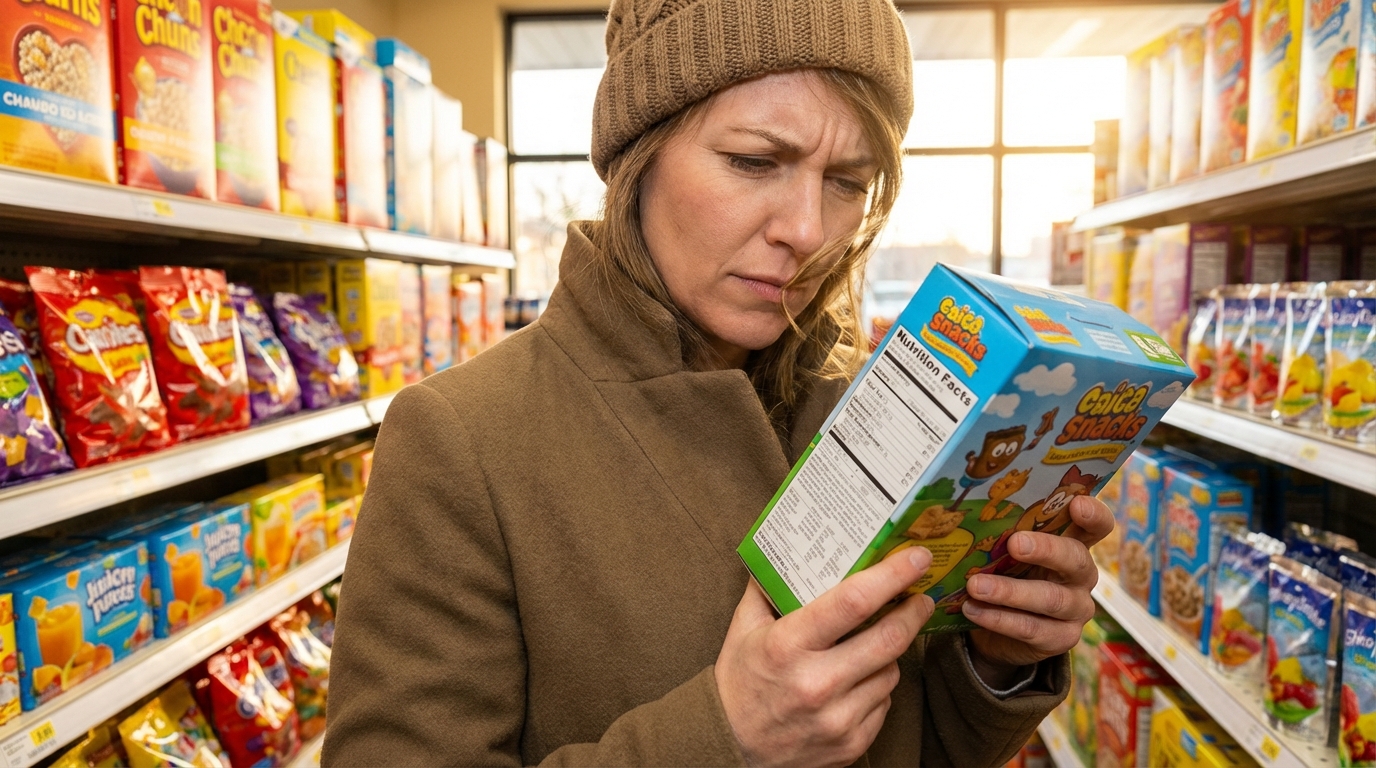
West Virginia Signs Strictest Food Dye Ban in U.S. History as 20+ States Follow
On March 24, 2025, West Virginia Governor Patrick Morrisey signed into law the most comprehensive food additive ban any...
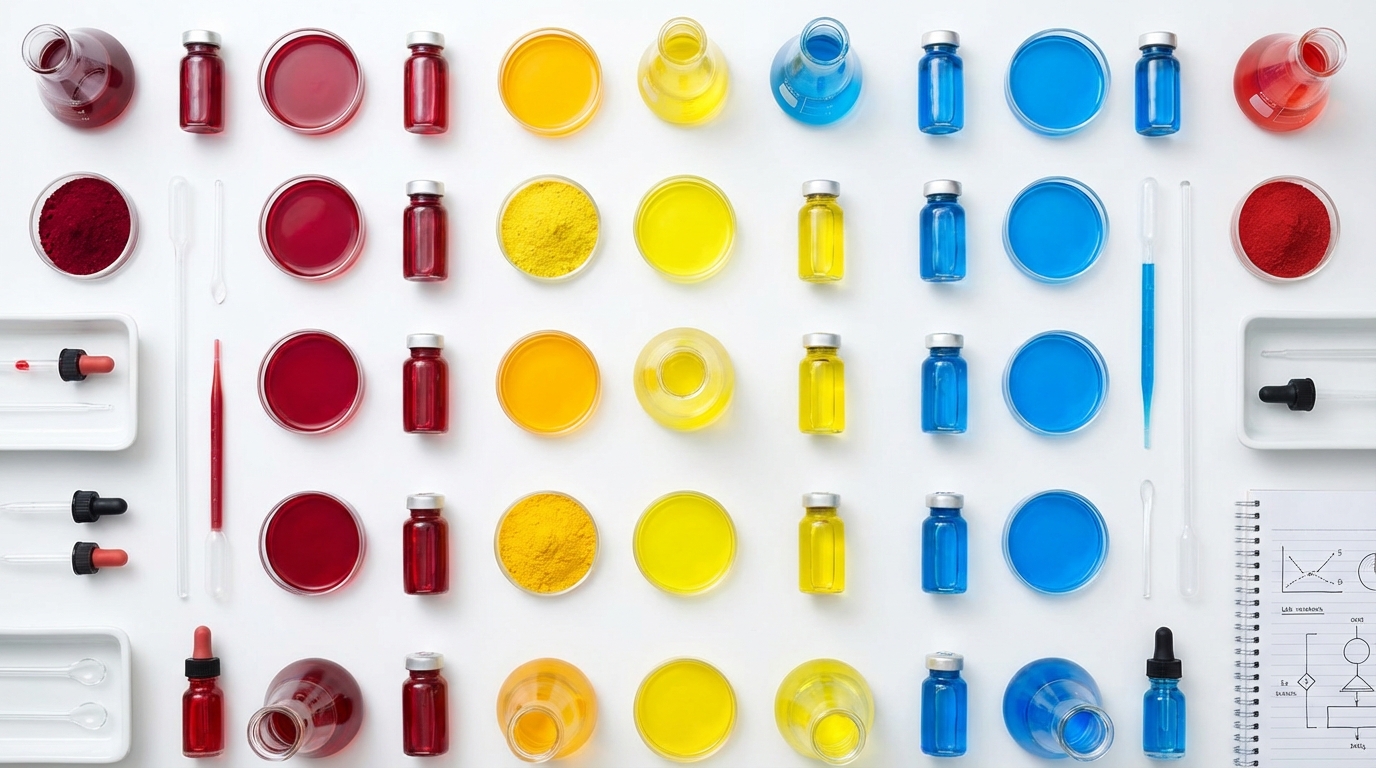
States Rush to Ban Artificial Food Dyes as West Virginia Makes History
On March 24, 2025, West Virginia Governor Patrick Morrisey signed HB 2354 into law, making his state the first in...