States Rush to Ban Artificial Food Dyes as West Virginia Makes History
On March 24, 2025, West Virginia Governor Patrick Morrisey signed HB 2354 into law, making his state the first in America to broadly ban synthetic food dyes from products sold to consumers. The law targets seven petroleum-based dyes and two chemical preservatives that the food industry has used for decades to make processed food look more appealing. It passed the state Senate 31-2 and the House 93-5.
West Virginia is not acting alone. At least 30 states have introduced legislation to restrict or ban artificial food dyes during 2025, according to The New Lede. Virginia, Oklahoma, and California have moved forward with their own laws. The movement crosses party lines: conservative states like West Virginia and Oklahoma are advancing bans alongside progressive ones like New York. After decades of relying on the FDA to regulate what goes into food, states are deciding to act on their own.
What West Virginia Banned and Why
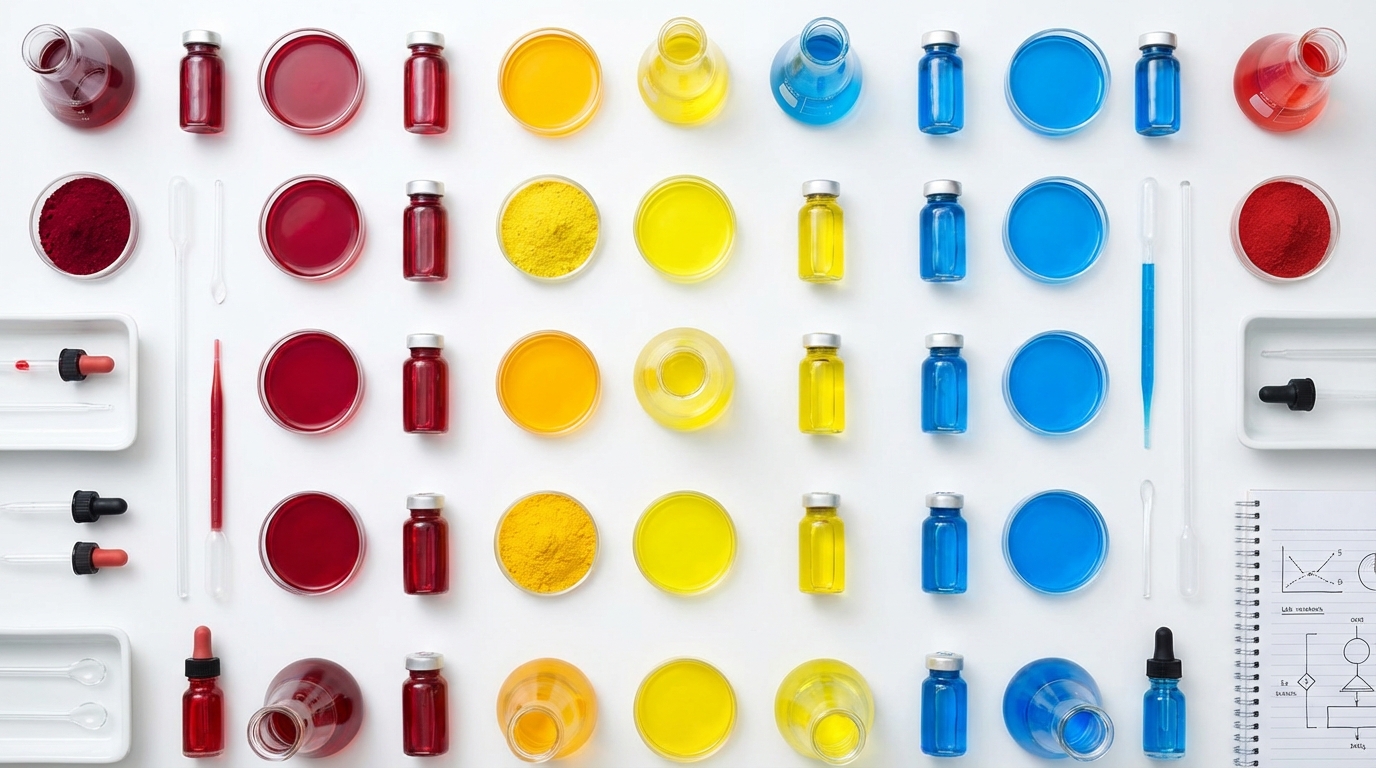
HB 2354 bans seven synthetic food dyes: Red No. 3, Red No. 40, Yellow No. 5, Yellow No. 6, Blue No. 1, Blue No. 2, and Green No. 3. It also bans two preservatives: BHA (butylated hydroxyanisole) and propylparaben. According to legal analysis from Covington & Burling, West Virginia is "the first state to broadly ban food dyes, other than Red Dye No. 3, from foods sold broadly throughout the state."
School nutrition programs must comply by August 1, 2025. The full statewide ban on food sales takes effect January 1, 2028, giving manufacturers roughly three years to reformulate. Violators face misdemeanor charges with fines up to $500 or imprisonment of up to one year, according to Covington & Burling''s analysis of the law.
Supporters cited West Virginia''s 41% adult obesity rate as a reason to act, according to Food Safety News. Governor Morrisey said the ban was needed to "protect public health and ensure access to healthier foods," as reported by McGuireWoods.
These are not exotic chemicals. Red No. 40, Yellow No. 5, and Blue No. 1 appear in thousands of everyday products: cereals, candy, sports drinks, fruit snacks, and flavored yogurts marketed to children. They are all derived from petroleum. They add zero nutritional value. Their only purpose is to make food look brighter and more appealing on store shelves.
The FDA''s Role (and Its Limits)
The wave of state action was catalyzed by the FDA''s own decision in January 2025 to ban Red Dye No. 3 (erythrosine). That ban, which affects more than 9,000 products, came more than 35 years after the FDA prohibited the same dye in cosmetics due to evidence it caused cancer in lab animals. Manufacturers have until January 15, 2027 to reformulate.
But the FDA''s reasoning raised eyebrows. The agency said it was compelled to act "as a matter of law" under the Delaney Clause, which prohibits any food additive shown to cause cancer in humans or animals. In the same announcement, the FDA insisted the dye posed no actual health risk at current consumption levels, according to The New Lede''s reporting by Carey Gillam.
That contradiction fueled public distrust. The FDA took 35 years to ban a single dye it already recognized as carcinogenic. Research has connected other synthetic food dyes to neurobehavioral issues in children and potential cancer risks, yet they remain fully authorized for use in the U.S. food supply. European regulators took a different path years ago. Major food companies already sell dye-free versions of the same products in the EU that they sell with synthetic dyes in America.
RFK Jr.''s Make America Healthy Again (MAHA) initiative has added political fuel. The movement, which draws support from both conservative and progressive parents, has pushed food safety to the front of state legislative agendas, according to The New Lede.
Virginia Targets School Cafeterias
Three days before West Virginia''s governor signed his bill, Virginia Governor Glenn Youngkin signed Senate Bill 1289, making Virginia the second state after California to ban synthetic dyes specifically in school meals. The Virginia law passed both legislative chambers unanimously, a striking show of bipartisan consensus, as reported by Virginia Mercury.
Schools have until July 1, 2027 to eliminate synthetic dyes from meals and snacks served to students. The bill was sponsored by Sen. Emily Jordan (R-Suffolk) and Del. Hillary Pugh Kent (R-Warsaw), both Republicans, in a state with a divided legislature.
The unanimous vote signals something important: food dye regulation is no longer a fringe issue. When both parties agree that children should not be eating petroleum-derived colorants in their school lunches, the political calculus has shifted.
Oklahoma Goes Further Than Any State
While West Virginia banned nine substances and Virginia focused on schools, Oklahoma proposed the most aggressive legislation of all. Senate Bill 4 targets 21 substances, the longest ban list of any state, according to The Food Institute. Beyond the usual synthetic dyes, Oklahoma''s bill includes aspartame and sodium nitrate.
The bill passed its senate committee on March 25, 2025, by a 10-1 vote. It was sponsored by Senator Kristen Thompson (R-Edmond). If enacted, it would represent the most sweeping food additive restriction in U.S. history.
The National Confectioners Association pushed back, warning that the West Virginia ban would "increase food costs and reduce accessibility," according to Food Safety News. Industry groups have made similar arguments against the Oklahoma and Virginia measures, framing the bans as regulatory overreach that will hurt consumers. But the bipartisan vote margins suggest legislators are not persuaded by those arguments.
A Patchwork of State Laws
With at least 30 states considering food dye legislation, the U.S. is heading toward a patchwork of state-by-state food additive rules. That mirrors what happened with recreational cannabis and data privacy laws: when the federal government moves slowly, states fill the gap.
For food manufacturers, this creates a compliance headache. A product legal in Ohio might be illegal in West Virginia by 2028. Companies will need to decide whether to reformulate nationally (as many already have for European markets) or maintain different product lines for different states.
For consumers, the patchwork creates confusion. A parent in Virginia can trust that school meals are dye-free after 2027. A parent in a neighboring state has no such guarantee. The same Froot Loops box on a shelf in Charleston, West Virginia, will need to look different from the one in Columbus, Ohio.
What This Means for You
The simplest takeaway: read ingredient labels. If you see Red 40, Yellow 5, Yellow 6, Blue 1, Blue 2, Red 3, or Green 3 on a product, those are synthetic petroleum-derived dyes. BHA and propylparaben are preservatives that West Virginia legislators decided were not worth the risk.
Checking for these ingredients takes time, especially when you are standing in a grocery aisle with a cart full of items and children pulling at your sleeve. Food safety apps like VeriFoods let you scan a product barcode and see whether it contains synthetic dyes, preservatives, and other additives that are being restricted or banned at the state level.
The fact that companies already sell dye-free versions of popular products in Europe proves that reformulation is possible. Consumers do not have to wait for their state legislature to act. They can choose dye-free alternatives now.
The trend line is clear regardless of where you live. Synthetic food dyes that were considered routine for decades are being pulled from shelves, cafeterias, and ingredient lists across the country. Thirty states and counting have decided the FDA is not moving fast enough. Consumers can decide the same thing for themselves, one grocery run at a time.
Stay ahead of the label.
Get early access to VeriFoods and be the first to see what's really in your food.
Sources
- https://www.foodsafetynews.com/2025/03/west-virginia-becomes-first-state-to-pass-sweeping-ban-on-artificial-food-dyes/
- https://www.cov.com/en/news-and-insights/insights/2025/03/west-virginia-passes-law-prohibiting-the-use-of-seven-food-dye-ingredients
- https://www.thenewlede.org/2025/03/amid-lack-of-faith-in-fda-us-states-rush-to-ban-food-dyes/
- https://virginiamercury.com/2025/03/21/youngkin-signs-bipartisan-law-banning-synthetic-dyes-in-school-meals/
- https://foodinstitute.com/test-site/focus/oklahoma-moves-to-ban-aspartame-other-harmful-additives/
- https://www.mcguirewoods.com/client-resources/alerts/2025/3/west-virginia-joins-growing-list-of-states-to-ban-food-dyes/
Related Articles
Texas Becomes First State to Require Warning Labels on Foods with Additives Banned in Other Countries
Texas Governor Greg Abbott signed SB 25, the "Make Texas Healthy Again" bill, mandating bold warning labels on packaged...
Texas Leads Nation With Mandatory Warning Labels on Artificial Food Additives
By VeriFoods Texas has just made history as the first state in the nation to require warning labels on thousands of...
Companies Pledge to Remove Artificial Dyes by 2028: What It Means for Your Health
By VeriFoods A significant shift is underway in the world of ice cream and frozen desserts. Dozens of major companies...