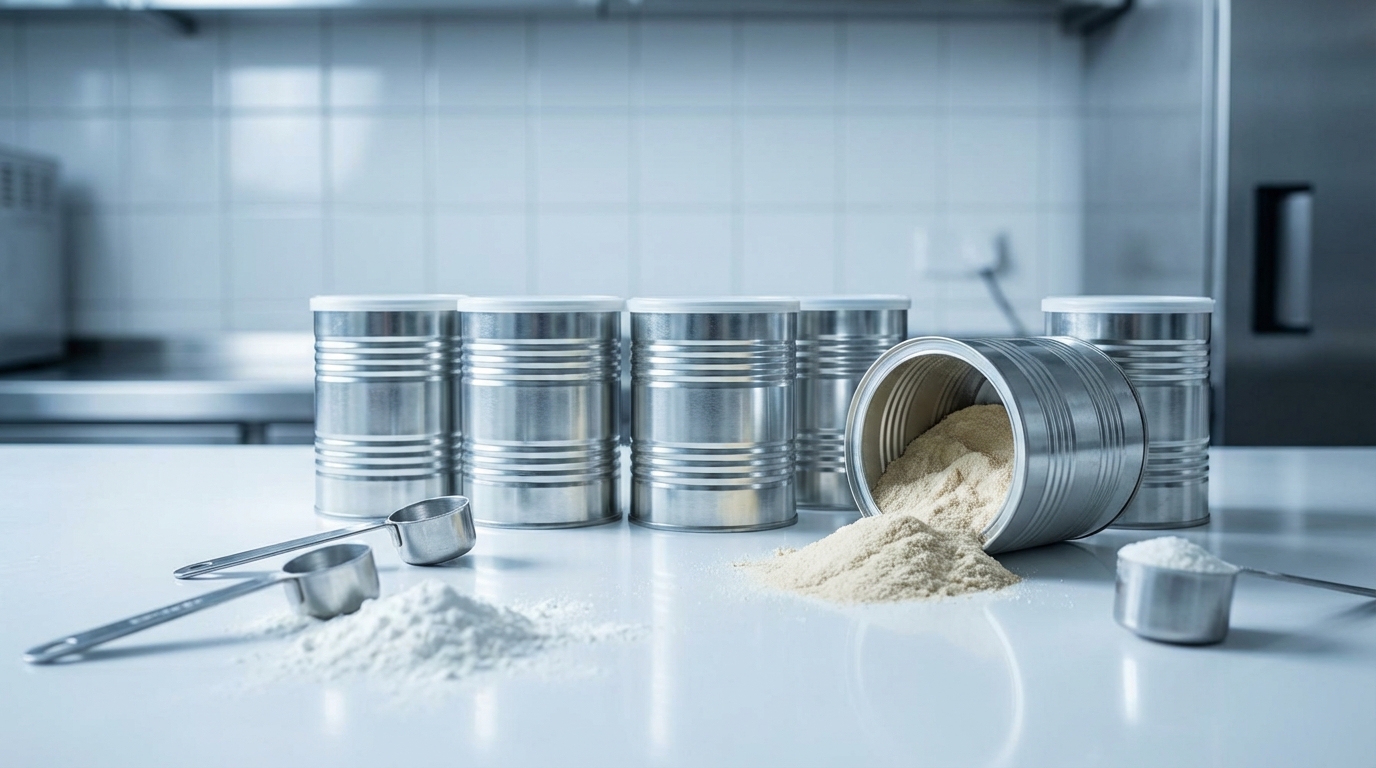
Lead Found in 34 of 41 Baby Formulas Tested by Consumer Reports
Consumer Reports tested 41 powdered infant formulas in March 2025 and found lead in 34 of them. Eighteen of those formulas exceeded California's Maximum Allowable Dose Level for lead. Abbott Nutrition's EleCare Hypoallergenic contained arsenic at 19.7 parts per billion, nearly double the EPA's 10 ppb limit for drinking water.
There are no federal limits for lead, arsenic, cadmium, or mercury in infant formula sold in the United States. Not proposed limits. Not pending limits. Zero.
For millions of American infants whose sole nutrition source is powdered formula, the Consumer Reports findings forced the FDA to act within 24 hours. The agency launched a new initiative called Operation Stork Speed, which includes the first comprehensive formula safety review since 1998.
What Consumer Reports Found
The testing results, published March 18, 2025, covered 41 of the most commonly purchased powdered infant formulas on the U.S. market.
Lead was the most pervasive contaminant. It appeared in 34 of the 41 formulas at concentrations ranging from 1.2 to 4.2 ppb, according to Food Safety News. Enfamil Nutramigen had the highest lead level at 4.2 ppb and was the only formula in the study that contained both BPA and acrylamide.
"Our tests found concerning levels of arsenic and lead that could pose health risks for young children," said James Rogers, Consumer Reports' director of product safety testing, as reported by Food Safety News.
Arsenic was the more alarming finding. Eight formulas exceeded risk levels, with Abbott's EleCare Hypoallergenic topping the list at 19.7 ppb. The second highest was Similac Alimentum at 15.1 ppb. Both are specialty formulas marketed to parents of babies with allergies or digestive problems, meaning the most vulnerable infants may face the highest exposure.
PFAS, the synthetic "forever chemicals" linked to immune and developmental harm, appeared in almost all of the 41 formulas tested, according to the Environmental Working Group. The CDC has detected PFAS in the blood of 99% of Americans, including newborns.
Not all results were bad. Consumer Reports rated 21 of the 41 formulas as "Top Choices" with low or no detectable contaminants. Those included Enfamil Gentleease, Similac Advance, and Kirkland Signature ProCare.
No Federal Limits Exist
The United States has no established maximum allowable levels for any environmental contaminants in infant formula, according to Food Safety Magazine. No ceiling for lead. No ceiling for arsenic. No ceiling for cadmium or mercury.
The EPA sets a 10 ppb limit for arsenic in drinking water, but that standard does not apply to food products. California has its own threshold for lead in consumer products, and 18 of the 41 tested formulas exceeded it. But California's guidelines are state-specific. Parents in other states have no equivalent protection.
Research from Healthy Babies Bright Futures found that infant formula contributes over a quarter of dietary lead exposure and a fifth of arsenic exposure for children under two, as reported by Food Safety Magazine. For formula-fed infants, these contaminants represent a significant share of total intake because formula is their entire diet.
The FDA Responds with Operation Stork Speed
One day after Consumer Reports shared its findings, the FDA and the Department of Health and Human Services announced Operation Stork Speed on March 18, 2025. The initiative falls under HHS Secretary Robert F. Kennedy Jr.'s "Make America Healthy Again" agenda, according to the FDA's official press announcement.
"The FDA will use all resources and authorities at its disposal to make sure infant formula products are safe," Kennedy said in the announcement.
Operation Stork Speed has four main components, according to the FDA. First, increased testing for heavy metals and other contaminants in infant formula and children's food. Second, the first comprehensive nutrient review of infant formula since 1998, starting with a public Request for Information. Third, extended personal importation policies for foreign formula products to give parents more options. Fourth, collaboration with the National Institutes of Health on infant health outcomes research.
Acting FDA Commissioner Sara Brenner said the agency "is deeply committed to ensuring that moms and other caregivers...have confidence that these products are safe."
Food Safety Magazine reported that the initiative also includes enhanced transparency and labeling requirements for formula manufacturers. If implemented, parents would have access to contaminant information before purchasing products.
But Consumer Reports expressed concern about whether the FDA has the resources to implement a meaningful testing program, according to Food Safety News. Budget pressures and staffing challenges in the agency's food safety division raise real questions about follow-through.
The PFAS Problem in Formula
The testing results brought renewed scrutiny to PFAS contamination in infant formula. PFAS are a class of synthetic chemicals used in food packaging, cookware, and manufacturing processes. They are called "forever chemicals" because they do not break down in the environment and accumulate in the human body over time, according to EWG.
Even very low doses of PFAS can weaken babies' immune systems, reducing the effectiveness of childhood vaccines, EWG reports. Early exposure has been linked to elevated cholesterol, thyroid dysfunction, and impacts on cognitive development.
The fact that PFAS appeared in almost all 41 formulas suggests the contamination is systemic. The chemicals may enter formula through manufacturing equipment, packaging materials, or contaminated water supplies used in production. Babies and young children are especially vulnerable because their bodies are still developing, according to EWG.
What This Means for You
If you are feeding your infant with powdered formula, these results do not mean you should stop. Formula remains the essential nutrition source for babies who are not breastfed. The 21 formulas rated as "Top Choices" by Consumer Reports showed low or undetectable contaminant levels.
Check whether your current formula was among the products tested and how it performed. Consumer Reports published brand-by-brand results. If your baby's formula ranked poorly, consider switching to one of the formulas with low contamination, such as Enfamil Gentleease, Similac Advance, or Kirkland Signature ProCare.
Parents of babies using specialty hypoallergenic formulas face a harder decision. EleCare Hypoallergenic and Similac Alimentum, the two products with the highest arsenic levels, are often the only options for infants with specific medical needs. Talk to your pediatrician before making changes.
Food safety apps like VeriFoods allow parents to scan product barcodes and check independent testing data for contaminants like heavy metals and PFAS, putting safety information directly in your hands at the point of purchase rather than relying on federal action.
The 21 clean formulas in the Consumer Reports study prove the industry can manufacture formula without significant contamination. The fact that half of the products tested still contained harmful levels proves that, without federal limits, not all manufacturers will do so voluntarily. Until the U.S. sets enforceable standards for heavy metals in infant formula, the burden of checking product safety falls on parents. Operation Stork Speed is a start. The 27-year gap that preceded it is a reminder of how slowly that start can become real protection.
Stay ahead of the label.
Get early access to VeriFoods and be the first to see what's really in your food.
Sources
- https://www.fda.gov/news-events/press-announcements/hhs-fda-announce-operation-stork-speed-expand-options-safe-reliable-and-nutritious-infant-formula
- https://www.foodsafetynews.com/2025/03/fda-plans-infant-formula-testing-program-following-consumer-reports-study/
- https://www.ewg.org/news-insights/news/2025/03/consumer-reports-testing-finds-forever-chemicals-baby-formula
- https://www.food-safety.com/articles/10237-fda-launches-operation-stork-speed-to-improve-infant-formula-safety-including-contaminant-testing
- https://www.consumerreports.org/babies-kids/baby-formula/baby-formula-contaminants-test-results-a7140095293/
Related Articles
83% of Prenatal Vitamins Contain Lead, Peer-Reviewed Study Finds
Prenatal vitamins are the one supplement nearly every obstetrician tells pregnant women to take. A peer-reviewed study...
Your Protein Powder May Contain 15 Times More Lead Than Experts Say Is Safe
Consumer Reports tested 23 protein powders and shakes and found two-thirds contained more lead per serving than food...
Over 60% of Baby Foods Worldwide Contain Heavy Metals, New Study Finds
A comprehensive review of 75 studies found that more than 60% of baby foods and infant formulas worldwide contain...