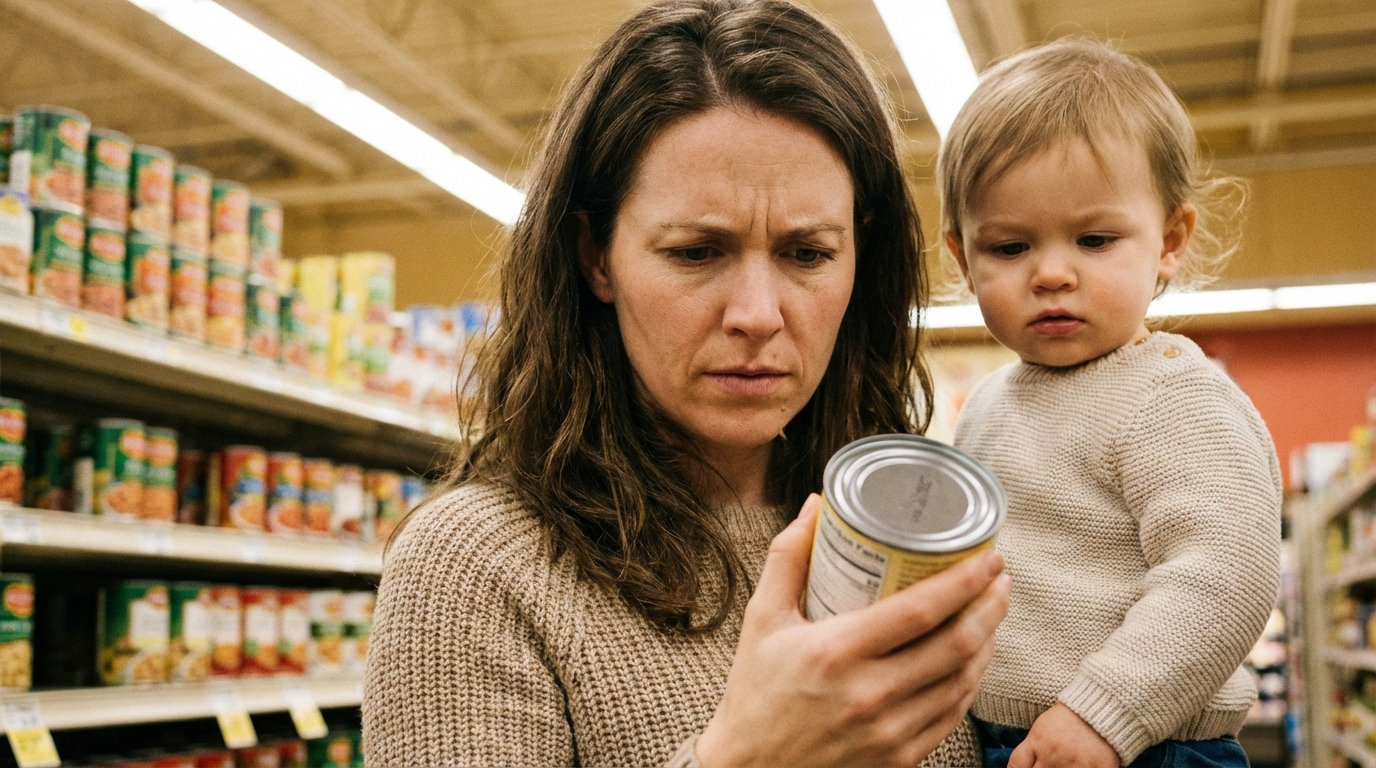
Europe Banned BPA From Food Packaging. The FDA Has Done Nothing for 1,320 Days.
On January 20, 2025, the European Union banned bisphenol A from all food contact materials. Metal can coatings, reusable plastic bottles, kitchenware, adhesives, inks, coatings: all of it, gone. The regulation, Commission Regulation (EU) 2024/3190, also banned BPA's salts and several other hazardous bisphenols, including BPS, the chemical hiding behind millions of "BPA-free" labels.
That same month, the U.S. Food and Drug Administration did nothing.
Not because it lacked information. Not because it lacked a petition. The FDA had received a formal petition from the Environmental Defense Fund in 2022 requesting it revoke BPA approvals in adhesives and coatings and set strict limits on its use in plastics that contact food. Federal law gives the agency 180 days to respond. As of January 2026, over 1,320 days had passed without a decision, according to EDF.
Americans are now exposed to BPA at levels approximately 5,000 times higher than what European scientists deem safe.
What BPA Is and How It Gets Into Your Food
BPA is an industrial chemical used since the 1960s in the epoxy resin linings of metal food and drink cans, in hard polycarbonate plastics, and in a range of other food contact materials. It migrates from packaging into food, particularly when containers are heated or when acidic foods sit in lined cans.
The chemical is an endocrine disruptor. It mimics estrogen in the body and interferes with hormonal signaling. According to CDC data cited by the Environmental Defense Fund, approximately 95% of Americans carry detectable BPA levels in their bodies. Children show the highest concentrations. BPA has been detected in blood, urine, sweat, amniotic fluid, and breast milk.
Why Europe Acted: The 20,000-Fold Reduction
The EU ban rests on a reassessment the European Food Safety Authority (EFSA) completed in April 2023. EFSA concluded that BPA's tolerable daily intake should be set 20,000 times lower than the previous threshold, according to a December 2024 report in Food Safety Magazine.
Twenty thousand times. That is not a minor adjustment. It is a wholesale reversal.
EFSA identified harmful effects on the immune system, specifically on T-helper cells, at doses far below what earlier evaluations had flagged as concerning. The reassessment also found reproductive system and endocrine system impacts. As Food Safety Magazine reported, Commissioner Oliver Varhelyi stated the decision aimed to "protect our consumers against harmful chemicals where they can come into contact with their food and drink."
The regulation the European Commission adopted on December 19, 2024 covers seven categories of food contact material, according to the Commission's Access2Markets portal: plastics, coatings on metal cans, reusable drink bottles, water coolers, kitchenware, adhesives, inks, and coatings. The phase-out follows a staggered timeline. Most single-use food contact materials must comply by July 2026. Reusable materials have until July 2027. Produce packaging gets until January 2028. Professional-grade equipment has until January 2029. Very limited exceptions remain only where no safe alternatives exist for microbiological safety.
The regulation does not just target BPA. It also bans other bisphenols that demonstrate similar harm, closing the door on the industry's favorite workaround: swapping one problematic chemical for a structurally similar one.
The FDA's 1,320 Days of Silence
Europe acted. The FDA did not even reply.
In 2022, the Environmental Defense Fund filed a formal petition with the FDA. The petition made two requests: revoke approvals for BPA in adhesives and coatings, and set strict limits on BPA in food-contact plastics. By law, the FDA had 180 days to respond.
It never did.
"It's been 1,320 days since the agency filed our petition. The delay continues to put our health at risk," EDF wrote in a January 2026 blog post. The petition remains unanswered.
This is not a case of two regulatory bodies reaching different conclusions through different methods. A coalition of prominent endocrine disruption researchers published commentary in Environmental Health Perspectives characterizing the FDA's BPA safety standards as "outdated, misguided and flawed," as reported by Environmental Health News in April 2024.
The gap between U.S. and EU food safety regulation is widening. Europe's scientists concluded BPA harms the immune system at tiny doses. They lowered the acceptable exposure by a factor of 20,000. They banned the chemical from food packaging. The FDA has done none of these things.
The "BPA-Free" Deception
For more than a decade, consumers have reached for products labeled "BPA-free" believing they were making a safer choice. The reality is less reassuring.
Most "BPA-free" products simply replaced BPA with bisphenol S (BPS), bisphenol F (BPF), or other structural analogs. These replacement chemicals act on the same hormonal pathways and carry similar risks to the immune and reproductive systems. Swapping one bisphenol for another does not make a product safe.
The EU regulation accounts for this. It bans not just BPA but BPS and other bisphenols classified as carcinogenic, mutagenic, or toxic to reproduction, or as category 1 endocrine disruptors. The intent is clear: no more chemical shell games.
In the United States, no such protection exists. A product can carry a "BPA-free" label while containing BPS or BPF at levels that would violate European law. The label tells you what one chemical is absent. It tells you nothing about what replaced it.
The Numbers That Matter
Here is what the US-EU divide looks like in numbers:
- EFSA lowered its tolerable daily BPA intake by a factor of 20,000 based on immune system harm found at extremely low doses.
- Most Americans get approximately 5,000 times more BPA in their daily diet than EFSA considers safe, according to EDF+Business.
- Roughly 95% of Americans carry detectable BPA levels, with children showing the highest concentrations, according to CDC data cited by EDF.
- The FDA has ignored a formal petition for 1,320+ days, more than seven times the 180-day legal deadline.
These are not theoretical risks. This is a chemical found in the bodies of nearly every American, at levels thousands of times above what the most rigorous scientific assessment on the subject considers safe.
What You Can Do Right Now
The U.S. government is not going to protect you from BPA anytime soon. Here is what you can do on your own.
Reduce canned food intake. Most metal can linings still contain BPA. Opt for fresh, frozen, or products in glass jars and cartons when possible.
Stop heating food in plastic. BPA and its analogs leach faster at higher temperatures. Transfer food to glass or ceramic before microwaving.
Do not trust "BPA-free" labels. That label means the product lacks one specific chemical. It says nothing about BPS, BPF, or other bisphenol replacements that may be equally harmful.
Check independent testing data. Labels and marketing claims only go so far. Apps like VeriFoods allow you to scan product barcodes and check whether items have been independently tested for contaminants, including bisphenols. When regulators are not doing their job, independent data fills the gap.
Contact your representatives. The FDA's failure to respond to the EDF petition for over 1,320 days is a regulatory failure. Consumer pressure has driven every major food safety reform in U.S. history.
The EU looked at the science on BPA and decided its citizens deserved protection. American consumers are still waiting for the same consideration.
Stay ahead of the label.
Get early access to VeriFoods and be the first to see what's really in your food.
Sources
- European Commission Access2Markets, "EU prohibition on the use and trade of Bisphenol A from 20 January 2025," January 2025. https://trade.ec.europa.eu/access-to-markets/en/news/eu-prohibition-use-and-trade-bisphenol-20-january-2025
- Food Safety Magazine, "EU Officially Adopts Ban on BPA in All Food Contact Materials," December 20, 2024. https://www.food-safety.com/articles/10023-eu-officially-adopts-ban-on-bpa-in-all-food-contact-materials
- Environmental Defense Fund, "The European Union marks one year of its BPA ban... where is the FDA?" January 12, 2026. https://blogs.edf.org/health/2026/01/12/the-european-union-marks-one-year-of-its-bpa-banwhere-is-the-fda/
- EDF+Business, "U.S. consumers are exposed to BPA at levels 1,000 times what EFSA deems safe," 2025. https://business.edf.org/insights/u-s-consumers-are-exposed-to-bpa-at-levels-1000-times-what-the-european-food-safety-authority-deems-safe-that-cant-be-ignored-u-s-companies-need-to-proactively-fix-this/
- Environmental Health News, "FDA's current BPA safety standards are outdated, misguided and flawed, scientists say," April 12, 2024. https://www.ehn.org/fda-efsa-bpa
- European Commission Food Safety, "Commission adopts ban of Bisphenol A in food contact materials," December 19, 2024. https://food.ec.europa.eu/food-safety-news-0/commission-adopts-ban-bisphenol-food-contact-materials-2024-12-19_en
Related Articles
UK Proposes Sweeping Ban on BPA in Food Packaging for Safer Eating
By VeriFoods The UK is considering a significant move to protect public health by proposing a ban on Bisphenol A (BPA)...

The EU Banned BPA From All Food Packaging. The FDA Missed Its Deadline by 1,000 Days.
On January 20, 2025, the European Union banned bisphenol A from every category of food contact material. Metal can...
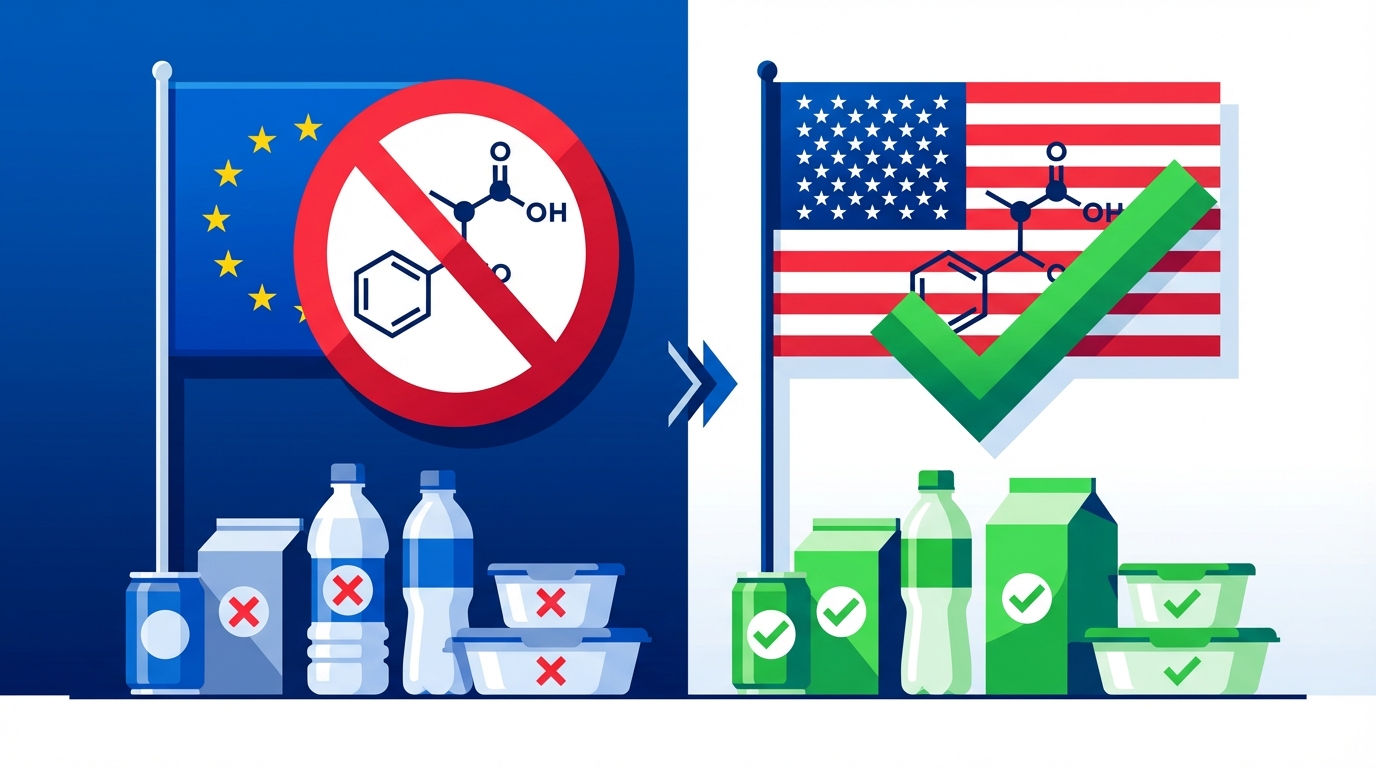
EU Bans BPA in All Food Packaging While FDA Calls It 'Safe'
On January 20, 2025, the EU banned BPA and other bisphenols from all food packaging after concluding the safe daily...