FDA Bans Red Dye No. 3 After 35 Years of Inaction
On January 15, 2025, the FDA revoked its authorization for Red Dye No. 3 in food and ingested drugs. The agency cited a 1960 law called the Delaney Clause, which prohibits any food additive shown to cause cancer in humans or animals.
The ban comes more than 35 years after researchers first linked the petroleum-based dye to thyroid cancer in laboratory rats, and more than three decades after the FDA banned the same chemical from lipstick and other cosmetics. During that 35-year gap, the dye remained a legal ingredient in thousands of foods sold to American families, including products marketed specifically to children.
More than 9,200 food products currently contain Red No. 3, according to the Center for Science in the Public Interest (CSPI). Manufacturers now have until January 15, 2027 to remove it from food. Drugmakers have until January 18, 2028 to reformulate ingested medications.
How a Known Carcinogen Stayed in Your Food for Decades
The story of Red Dye No. 3 is a case study in regulatory failure.
The FDA first approved the dye (also known as erythrosine or E127) in 1969, according to PBS NewsHour. By the 1980s, animal studies had revealed that high doses of the chemical caused thyroid cancer in male rats. In 1990, the FDA acted on that evidence, banning Red No. 3 from cosmetics and externally applied drugs.
But the agency did not ban it from food.
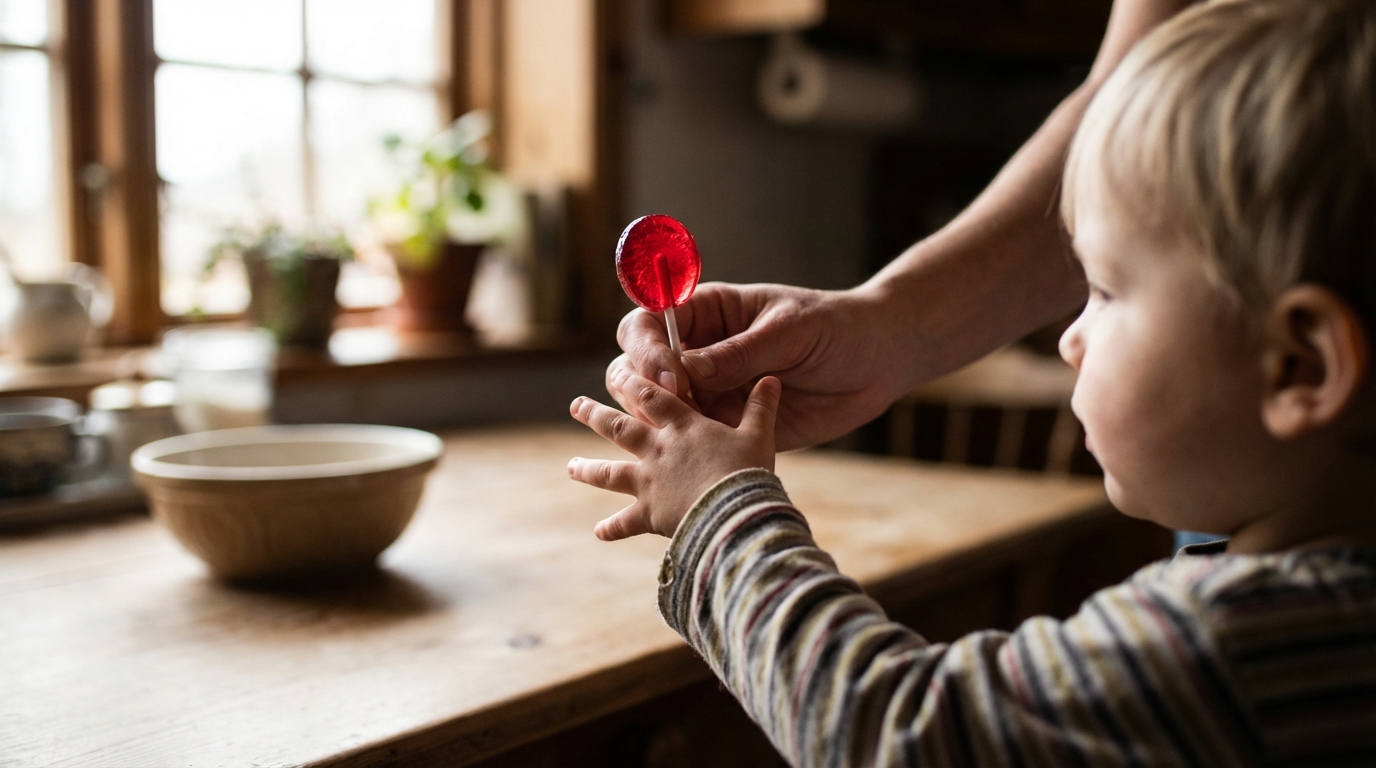
For over three decades, a dye considered too dangerous for lipstick remained perfectly legal in candy, cakes, fruit cocktails, frozen desserts, and children''s medications. As Peter Lurie, president of CSPI, put it: "At long last, the FDA is ending the regulatory paradox of Red 3 being illegal for use in lipstick, but perfectly legal to feed to children in the form of candy."
Why the decades-long delay? According to Chemical & Engineering News (a publication of the American Chemical Society), "pressure from the food industry, especially confectioners" stalled FDA action for years. The cancer mechanism found in the 1980s studies "is specific to male rat hormones and does not occur in other animals or humans," which gave the FDA and industry groups a talking point to resist the ban. But the Delaney Clause does not include exceptions: if an additive causes cancer in any animal, the FDA cannot authorize it. Period.
A formal petition, filed in 2022 by CSPI and 23 other organizations, finally forced the agency''s hand. The FDA granted the petition on January 15, 2025, just days before a new presidential administration took office.
What Products Are Affected
The list of foods containing Red No. 3 reads like a tour of the American candy aisle. According to CSPI, products include:
- Brach''s Conversation Hearts (the Valentine''s Day staple)
- Candy corn
- PEZ
- Dubble Bubble gum (original)
- Ring Pop
- Maraschino cherries
- Dole fruit cocktails
Beyond candy, the FDA identified affected product categories including cakes, cupcakes, cookies, frozen desserts, frostings, icings, cereals, and strawberry-flavored beverages, according to Chemical & Engineering News.
The dye serves no nutritional or functional purpose. It exists solely to make food look more appealing. Its bright cherry-red color is common in seasonal candies, baked goods, and fruit-flavored products that children consume regularly.
The Science: Cancer, Hormones, and Behavioral Concerns
Jim Jones, the FDA''s deputy director for human foods, confirmed the basis for the ban: "Evidence shows cancer in laboratory male rats exposed to high levels of FD&C Red No. 3," as reported by NBC News.
The cancer mechanism involves disruption of thyroid hormone regulation in male rats. According to Chemical & Engineering News, this mechanism "is specific to male rat hormones and does not occur in other animals or humans." That distinction matters scientifically, but it did not matter legally. The Delaney Clause, passed by Congress in 1960, sets a zero-tolerance standard. As the Federal Register notice states, FD&C Red No. 3 "has been shown to cause cancer in laboratory animals, and under the Delaney Clause this finding of carcinogenicity renders the color additive ''unsafe'' as a matter of law."
Cancer is not the only concern. A 2021 report by California''s Office of Environmental Health Hazard Assessment found that synthetic dyes like Red No. 3 are "linked to a greater risk of behavioral difficulties in children, including decreased attention span and memory problems," according to the Environmental Working Group (EWG). That report reviewed approximately 25 research papers, and more than half showed a correlation between artificial food coloring and inattention or hyperactivity in children.
These behavioral findings influenced California''s decision to pass the Food Safety Act in 2023, which banned Red No. 3 and three other chemicals from food products sold in the state, effective 2027. California acted before the federal government did.
The U.S. Was Behind the Rest of the World
The FDA''s ban brings the United States closer to international standards, but only after years of lagging behind. According to NBC News, Red No. 3 is already "banned or severely restricted in Australia, Japan, and European Union countries."
European regulators apply what NPR describes as a "precautionary principle," removing ingredients when evidence of harm exists, rather than waiting for absolute proof. The American approach has historically been the opposite: keep a chemical in the food supply until the evidence becomes impossible to ignore.
The 35-year gap between the cosmetics ban and the food ban illustrates this difference clearly. Australia restricted the dye years ago. Japan banned it outright. American consumers were eating a chemical that multiple developed nations had already decided was not worth the risk.
What Happens During the Two-Year Phase-Out
The ban does not take effect immediately. Food manufacturers have until January 15, 2027 to reformulate their products. Drugmakers get an even longer timeline: January 18, 2028, according to the Federal Register.
That means products containing Red No. 3 will remain on store shelves for up to two years. During the phase-out period, consumers who want to avoid the dye will need to read ingredient labels carefully. Look for "FD&C Red No. 3," "Red 3," or "erythrosine" on packaging.
Reformulation is entirely possible. When Kraft removed synthetic dyes from its macaroni and cheese, the company replaced them with colors derived from spices like paprika and turmeric, according to NPR. Consumers barely noticed the difference. If one of the largest food companies in the world can do it, so can the makers of candy corn and fruit cocktails.
Why This Ban Is Just the Beginning
Red No. 3 is one synthetic dye among many. The FDA still permits FD&C Yellow No. 5, Yellow No. 6, Red No. 40, Blue No. 1, Blue No. 2, and Green No. 3 in food products. These petroleum-based dyes face similar questions about their safety, particularly for children.
California is already pushing further. The state banned six synthetic dyes from school meals beginning in late 2027, including Red No. 40, the most widely used food dye in the country. Governor Gavin Newsom signed an executive order on January 3, 2025, directing state agencies to investigate the health harms of ultra-processed foods and synthetic food dyes and to recommend regulatory actions.
At the federal level, momentum may be building. The January 15 ban occurred during the final days of the Biden administration, but the incoming administration also signaled interest in food additive reform. The bipartisan nature of this issue (parents on both sides of the political spectrum want safer food for their kids) suggests that Red No. 3 could be the first domino, not the last.
What You Can Do Right Now
You do not have to wait two years for manufacturers to reformulate.
Check your pantry. Look at the ingredient lists on candy, baked goods, fruit-flavored snacks, flavored milk, and frozen desserts. If you see "FD&C Red No. 3," "Red 3," or "erythrosine," that product contains the banned dye.
Focus on children''s products. Red No. 3 is disproportionately found in foods marketed to kids: seasonal candies, fruit snacks, and brightly colored cereals are the most common culprits.
Use technology to help. Barcode-scanning apps like VeriFoods let you check whether a product contains flagged additives like Red No. 3, along with other contaminants that are not always obvious from reading labels. During a two-year phase-out, that kind of shortcut matters.
Look for natural alternatives. Companies that have already reformulated use ingredients like beet juice, paprika extract, and turmeric to achieve similar colors without synthetic dyes. Products labeled "no artificial colors" or "naturally colored" are worth seeking out.
Keep the bigger picture in mind. Red No. 3 is not the only questionable additive in the American food supply. The U.S. permits over 10,000 food additives, many of which are banned or restricted in other countries. This ban is a step forward, but it is one step on a long road.
The FDA took 35 years to ban a dye from food that it had already banned from lipstick. The Delaney Clause made the legal case straightforward. The science was clear by the 1980s. Consumer advocacy groups formally petitioned in 2022. And still, it took until the final days of a presidential administration for the agency to act. For American consumers, that timeline is a reminder: read the label, use the tools available to you, and do not assume that a product on the shelf is a product that has been fully vetted.
Stay ahead of the label.
Get early access to VeriFoods and be the first to see what's really in your food.
Sources
- Federal Register (January 16, 2025): Color Additive Petition From CSPI, et al.; Request To Revoke Color Additive Listing for Use of FD&C Red No. 3
- NPR (January 15, 2025): FDA bans Red Dye No. 3
- Chemical & Engineering News / ACS (January 15, 2025): FDA bans Red 3 from food and drugs
- NBC News (January 15, 2025): FDA bans Red No. 3, artificial coloring used in beverages, candy and other foods
- AJMC (January 15, 2025): FDA Bans Red No. 3 Artificial Dye in Food, Ingested Drugs
- PBS NewsHour (January 25, 2025): The FDA banned Red 3 food coloring. A scientist explains the dye''s history and health risks
- Center for Science in the Public Interest (January 15, 2025): Red 3: FDA finally bans cancer-causing food dye
- Environmental Working Group (January 15, 2025): Biden FDA moves to ban toxic Red Dye No. 3 from food
Related Articles
EU Banned Titanium Dioxide in Food; It's Still in 11,000+ US Products Including Popular Candy
New research raises fresh concerns about a whitening chemical the EU banned three years ago. It's still in your candy...
Companies Pledge to Remove Artificial Dyes by 2028: What It Means for Your Health
By VeriFoods A significant shift is underway in the world of ice cream and frozen desserts. Dozens of major companies...
West Virginia Signs Strictest Food Dye Ban in U.S. History as 20+ States Follow
On March 24, 2025, West Virginia Governor Patrick Morrisey signed into law the most comprehensive food additive ban any...