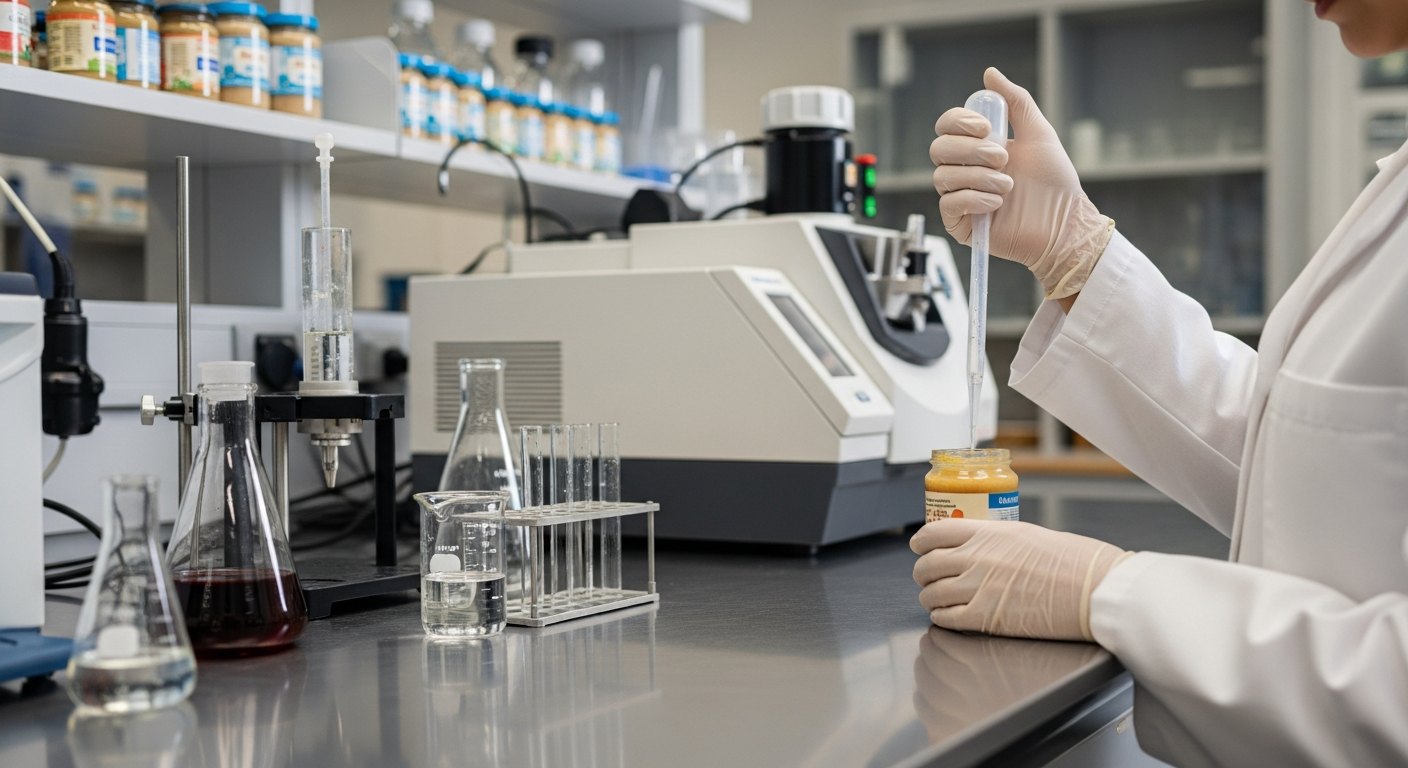
65% of Baby Foods Worldwide Contain Heavy Metals, Lancet Study Finds
Two out of every three processed baby foods sold worldwide contain detectable levels of toxic heavy metals. That is the central finding of a peer-reviewed scoping review published in January 2026 in The Lancet Regional Health, the most thorough global synthesis of heavy metal contamination in infant food products to date. Arsenic appeared in 73% of products tested. Cadmium showed up in 72%. Lead was found in 69%. Mercury, the least common of the four, was still present in more than one in three products.
These are not trace amounts in obscure products from unregulated markets. The data spans commercially produced baby foods from dozens of countries, including the United States, and covers the brands parents see on grocery store shelves every week.
The Numbers Behind the Headlines
The Lancet scoping review aggregated testing data from studies conducted across multiple continents, covering both processed baby foods and infant formulas. The results tell the same story regardless of geography: heavy metal contamination in baby food is not an isolated problem. It is present in the majority of products tested.
The breakdown by metal across all products in the dataset:
- Arsenic: detected in 73% of baby food products
- Cadmium: detected in 72% of products
- Lead: detected in 69% of products
- Mercury: detected in 34% of products
Certain product categories carried far higher contamination rates than others. Rice-based products and fish items ranked at the top across nearly every metal. Lead and cadmium were found in 97% of root and tuber products, a category that includes sweet potato and carrot purees, two of the most common first foods for infants.
Fish and fish-mix products contained lead, arsenic, and mercury in virtually all samples analyzed. For parents who rely on fish-based baby food as a protein source, this is a direct signal that the product type carries measurable chemical exposure.
Why Rice Is the Biggest Risk
Rice absorbs arsenic from soil and groundwater more efficiently than almost any other crop. The plant pulls inorganic arsenic (the more toxic form) directly into its grain during growth, and no amount of washing or cooking eliminates it entirely. This is not a farming practice problem or a contamination event. It is a basic property of how rice grows.
Rice cereal is one of the most common first solid foods given to infants in the United States and globally. Pediatricians have recommended it for decades as a gentle introduction to solid food. A January 2026 meta-analysis published in Science of the Total Environment confirmed that rice-based infant cereals consistently carry the highest arsenic concentrations of any baby food category, corroborating the Lancet review's findings.
For an infant weighing 7 to 10 kilograms, even low concentrations of arsenic per serving can add up quickly when rice cereal is fed daily. There is no established safe threshold for arsenic exposure in infants. The FDA issued guidance in 2020 recommending an action level of 100 parts per billion (ppb) for inorganic arsenic in infant rice cereal, but that guidance is not binding, and many products still exceed it.
What This Means for Parents
The assumption that commercially produced baby food is inherently safe does not hold up against the data. The Lancet review did not find that contamination was limited to cheap brands, imported products, or items from countries with weak food safety regulation. Heavy metals appeared across all market segments and geographies.
That does not mean parents should stop feeding their children commercial baby food. It means they need better information about what is actually in the products they buy.
Practical steps based on what the research shows:
Vary your infant's diet. The highest contamination rates cluster in specific food categories (rice, fish, root vegetables). Rotating between different food types reduces cumulative exposure to any single metal.
Check for rice content in products that do not obviously contain rice. Rice flour and rice starch appear as ingredients in puffs, teething crackers, and mixed-grain cereals. Read ingredient labels carefully.
Do not assume "organic" means "clean." Organic certification covers pesticide use and farming practices. It does not set limits on heavy metal content. Organic rice can contain the same arsenic levels as conventional rice because the arsenic comes from soil and water, not pesticide application.
Independent testing organizations like Healthy Babies Bright Futures (HBBF) have published data corroborating the Lancet findings. HBBF's testing, which has been cited by both the FDA and Congress, consistently flags rice-based products as the highest-contamination category for infant foods sold in the U.S. market.
How VeriFoods Helps You Check
VeriFoods tests for arsenic, lead, cadmium, and other heavy metals in baby food products. When you scan a rice cereal or infant food product in the app, the heavy metals analysis shows you exactly what was found and how it compares to safety thresholds.
The app's heavy metals screening covers the same contaminants identified in the Lancet review. For parents who want to move beyond guessing and start making decisions based on actual test data, that is the point: you should not have to trust a label when independent lab results are available.
The global data published in January 2026 confirms what VeriFoods users already see in their scan results. Heavy metals in baby food are not rare. They are the norm. The question is not whether your child's food contains them. The question is how much, and whether you have the information to make a better choice.
Stay ahead of the label.
Get early access to VeriFoods and be the first to see what's really in your food.
Sources
The Lancet Regional Health - Western Pacific - "Concentrations of Heavy Metals in Processed Baby Foods and Infant Formulas Worldwide: A Scoping Review" - January 2026. https://www.thelancet.com/journals/lanwpc/article/PIIS2666-6065(26)00012-X/fulltext
Science of the Total Environment - "Arsenic in Rice-Based Infant Cereals: Meta-Analysis" - January 2026. https://www.sciencedirect.com/science/article/pii/S0048969726001234
Healthy Babies Bright Futures - "Heavy Metals in Baby Food: Global Study Report 2026" - January 2026. https://www.healthybabyfood.org/reports/heavy-metals-global-baby-food-study-2026
Related Articles
Heavy Metals Found in 65% of Baby Foods Worldwide, Rice and Soy the Worst
Lead, cadmium, and arsenic contaminate the majority of baby foods and infant formulas sold worldwide. That is the...
Over 60% of Baby Foods Worldwide Contain Heavy Metals, New Study Finds
A comprehensive review of 75 studies found that more than 60% of baby foods and infant formulas worldwide contain...
FDA Sets First Lead Limits for Baby Food as California Forces Transparency
On January 6, 2025, the FDA set specific limits on how much lead can be in baby food for the first time. The action...