Most Baby and Toddler Foods Miss the Mark on Nutrition, New Study Finds
By VeriFoods
Most US Baby Foods Miss the Mark on Nutrition and Marketing Standards, Study Finds
A recent study published in the journal Nutrients has revealed a troubling reality for parents: 60 percent of infant and toddler foods sold in the US fall short of international nutrition recommendations, and none comply with World Health Organization (WHO) marketing guidelines Coyle DH et al., 2024. With childhood nutrition forming the foundation for lifelong health, these findings raise important concerns for families striving to make the best choices for their children.
Gaps in US Regulations Leave Parents in the Dark
Unlike many countries, the US lacks specific nutrition and marketing guidelines for foods aimed at infants and toddlers. To assess the current landscape, researchers from The George Institute for Global Health analyzed 651 products from the top ten US grocery chains using the Institute’s FoodSwitch database. They compared these products to WHO’s Nutrient and Promotion Profile Model, which sets benchmarks for appropriate nutrition and responsible marketing for children aged 6-36 months WHO, 2022.
The results were eye-opening:
- 70% of products did not meet protein requirements
- 44% exceeded recommended sugar levels
- 25% fell short on calories
- 20% had sodium levels above recommended limits
Processed Convenience Foods: Quick, But At What Cost?
Dr Elizabeth Dunford, a research fellow at The George Institute and adjunct assistant professor at the University of North Carolina, highlighted the risks associated with the growing popularity of processed baby foods. She explained that early childhood is a critical period for growth and the development of healthy eating habits, which can influence the risk of chronic diseases such as obesity, diabetes, and some cancers later in life.
Busy parents often turn to convenience foods, assuming they are making healthy choices. However, many of these products lack essential nutrients needed for proper development and may give a false impression of healthiness due to misleading packaging.
Baby Food Pouches: A Fast-Growing but Problematic Trend
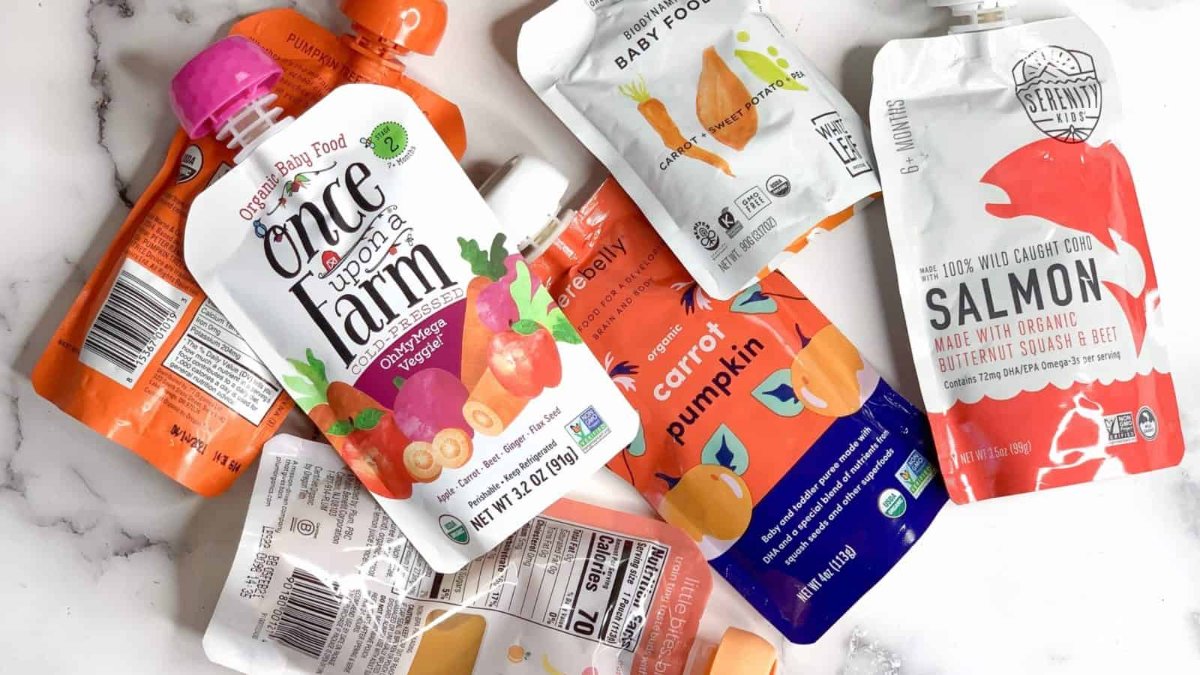
One of the most striking trends identified by the study is the explosive growth of baby food pouches. Over the past 13 years, sales from these pouches have soared by 900 percent. Despite their popularity, pouches ranked among the least healthy options, with fewer than 7 percent meeting WHO sugar recommendations. Notably, this figure excludes fruit-based pouches, which are not covered by WHO criteria. If those are left out, 69 percent of pouches meet the sugar recommendations.
Misleading Marketing: The 'Health Halo' Effect
The research also uncovered widespread use of misleading marketing claims. Nearly every product (99.4 percent) featured at least one prohibited claim on its packaging, with an average of four such claims per product and some displaying as many as 11. Common claims included 'non genetically modified (GM)' (70 percent), 'organic' (59 percent), 'no BPA' (37 percent), and 'no artificial colors/flavors' (25 percent).
Dr Daisy Coyle, a research fellow and dietitian at The George Institute, explained that these claims create a 'health halo,' making products appear healthier than they are. The lack of regulation allows companies to use both misleading claims and product names that do not accurately reflect the main ingredients. For example, snacks labeled as containing fruits or vegetables were often made primarily from flour or starches.
The Bigger Picture: Rising Childhood Obesity
The consequences of poor nutrition in early childhood are already visible. Since the 1970s, obesity rates among US children aged two to five have more than doubled. Today, about 13 percent of preschoolers are living with obesity, a trend that has worsened since the COVID-19 pandemic Fryar CD et al., 2020; Lange SJ et al., 2021.
Dr Dunford emphasized that while childhood obesity was once a national priority, momentum has slowed in recent years. She called for urgent action, stressing that improved regulation and clearer guidance are essential to protect the health of future generations.
What Can Parents Do?
For parents navigating the baby food aisle, these findings underscore the importance of reading ingredient lists, being cautious of marketing claims, and seeking out products that provide balanced nutrition. Apps like VeriFoods can help by providing third-party testing and transparent information on food quality and contaminants, empowering families to make informed choices.
If you have thoughts or experiences to share about choosing baby foods, we invite you to comment below. Your insights could help other parents make healthier decisions for their children.
References:
- Coyle DH et al. An evaluation of the nutritional and promotional profile of commercial foods for infants and toddlers in the United States. Nutrients 2024.
- World Health Organization. Nutrient and Promotion Profile Model: Supporting appropriate promotion of food products for infants and young children 6-36 months in the WHO European Region. 2022. WHO Publication
- Fryar CD, et al. Prevalence of overweight, obesity, and severe obesity among children and adolescents aged 2-19 years: United States, 1963-1965 through 2017-2018. NCHS Health E-Stats. 2020. CDC Data
- Lange SJ et al. Longitudinal Trends in Body Mass Index Before and During the COVID-19 Pandemic Among Persons Aged 2-19 Years -- United States, 2018-2020. MMWR Morb Mortal Wkly Rep 2021;70:1278-1283. CDC Report
Stay ahead of the label.
Get early access to VeriFoods and be the first to see what's really in your food.
Related Articles
Texas Becomes First State to Require Warning Labels on Foods with Additives Banned in Other Countries
Texas Governor Greg Abbott signed SB 25, the "Make Texas Healthy Again" bill, mandating bold warning labels on packaged...
Walmart voluntarily phasing out synthetic dyes in their private label brands
By VeriFoods Walmart has announced a major shift in its approach to food ingredients, pledging to eliminate synthetic...
Arsenic Found in 100% of U.S. Rice Samples, Report Reveals
A new report tested 145 rice samples from stores in 20 U.S. metro areas and found arsenic in every single one. More...