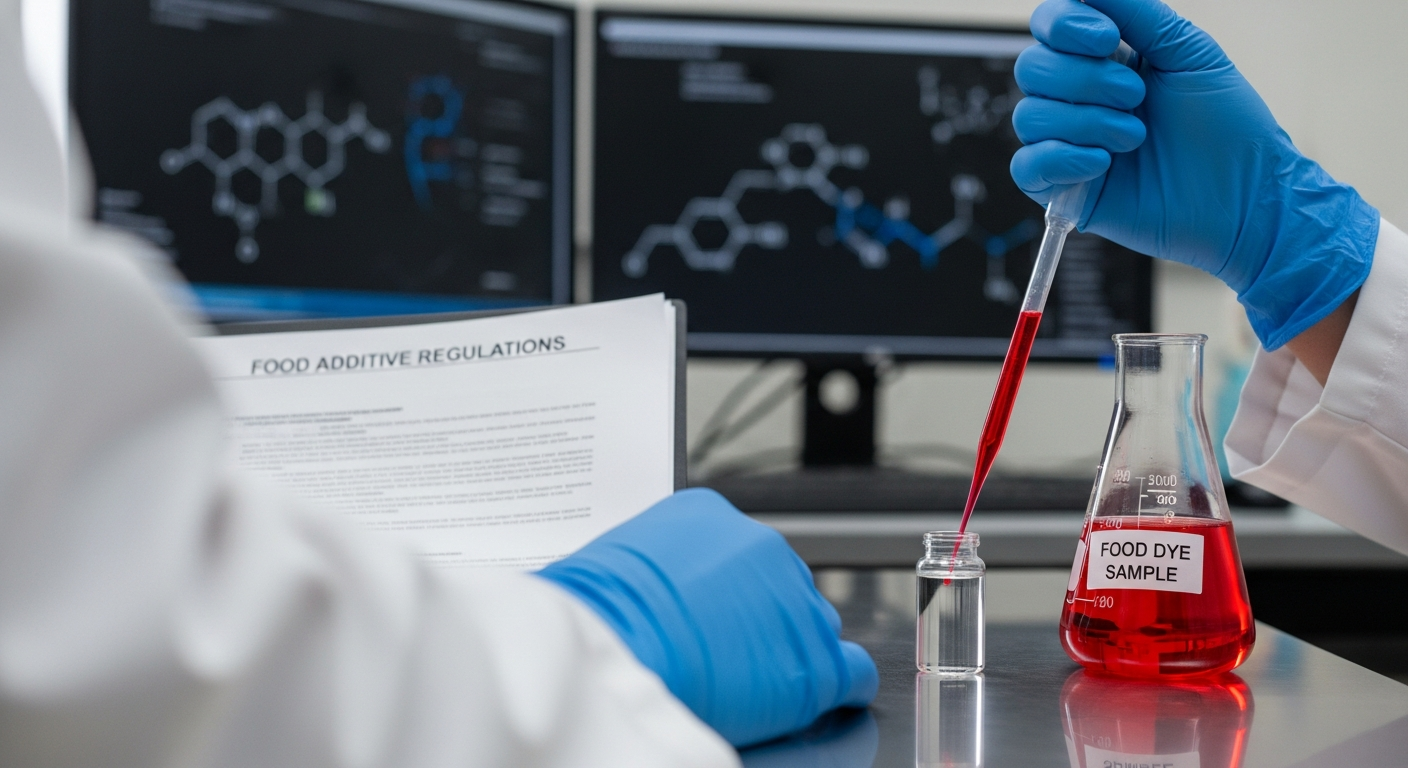
The FDA Promised to Ban Artificial Food Dyes. Instead, It Rewrote the Rules.
In April 2025, the FDA and HHS announced they would eliminate six petroleum-based synthetic food dyes from the American food supply by the end of 2026. Ten months later, on February 5, 2026, the agency did something very different: it issued an "enforcement discretion" letter that pushes the deadline to 2027, keeps compliance voluntary, and rewrites the labeling rules so manufacturers can stamp "no artificial colors" on products that still contain added colorants. The promise of a ban became a permission slip.
Context
The six dyes targeted in the original announcement are FD&C Red No. 40, Yellow No. 5, Yellow No. 6, Blue No. 1, Blue No. 2, and Green No. 3. All six are derived from petroleum. They show up in cereals, candies, beverages, snack foods, and children's vitamins. The April 2025 pledge to phase them out was one of the most concrete food safety commitments the current administration had made.
But the February 2026 guidance letter didn't advance that commitment. It retreated from it. The new timeline gives manufacturers until the end of 2027, a full year longer than originally promised. More critically, the FDA chose "enforcement discretion" over formal rulemaking. That distinction matters: enforcement discretion means the agency is choosing not to act, not that it has created a binding rule. Companies can comply or not. There is no mandate.
The labeling change compounds the problem. Under the previous FDA standard, a product could only carry a "no artificial colors" claim if it contained zero added color of any kind. The new policy allows that same claim as long as the product doesn't contain petroleum-based FD&C certified dyes. A product loaded with beetroot red, spirulina extract, or titanium dioxide can now be labeled "no artificial colors" without disclosing those additives.
The Findings
The FDA framed this shift as a consumer-friendly update. FDA Commissioner Marty Makary stated: "Calling colors derived from natural sources 'artificial' might be confusing for consumers." The agency simultaneously approved beetroot red and expanded the permitted uses of spirulina extract, bringing the total number of new food color approvals under the current administration to six.
But the practical effect runs counter to the stated intent. Consumer Reports pointed out that dozens of non-FD&C color additives, including titanium dioxide, fall outside the scope of the new policy. A manufacturer using these additives can now claim "no artificial colors" even though the product contains added color. As Consumer Reports noted: "Allowing 'no artificial colors' claims when products contain added colors from natural sources could appear misleading to consumers who interpret such claims to mean no added color of any kind."
The legal picture is equally messy. According to analysis by Mayer Brown, the lack of formal FDA rulemaking leaves manufacturers in a difficult position. George A. O'Brien, a partner at Mayer Brown, warned: "Without formal FDA rulemaking, manufacturers face challenges including reformulation difficulties, varying state requirements, potential consumer litigation, and labeling risks."
Four states have already moved to fill the regulatory gap. California, West Virginia, Virginia, and Texas have enacted or proposed their own restrictions on synthetic food dyes. Because the FDA's guidance is discretionary rather than binding, it provides no "safe harbor" from state enforcement or private lawsuits. A company that reformulates based on the FDA's voluntary timeline could still face penalties under stricter state laws.
What Experts Say
The timing tells its own story. The FDA announced its ban during a period of heightened public concern about food additives. That April 2025 announcement generated headlines and built trust. The February 2026 reversal arrived quietly and gave industry exactly what it wanted: more time, voluntary compliance, and looser labeling standards.
Consumer Reports described the new labeling policy as a source of consumer deception. The gap between what "no artificial colors" used to mean (zero added color) and what it means now (no petroleum-based FD&C dyes, but other colorants are fine) is wide enough to mislead any shopper reading a label in a grocery aisle.
The voluntary compliance framework raises its own questions. Without a binding rule, the FDA has no enforcement mechanism. It can act on a case-by-case basis, but it has no obligation to act at all. The original 2026 deadline already relied on voluntary industry participation. Extending it by a year while loosening the labeling standard at the same time tells you where the agency's priorities actually are.
What This Means for You
If you've been reading "no artificial colors" on food labels and assuming that means the product contains no added coloring, that assumption is no longer reliable. Under the FDA's new guidance, a product can carry that claim while containing naturally derived colorants like beetroot red, spirulina extract, or dozens of other non-FD&C additives. The label tells you what isn't in the product (petroleum-based dyes), but it doesn't tell you what is.
That transparency gap is why independent verification matters more than ever. VeriFoods' additive analysis identifies exactly which colorants are present in a product, whether they're petroleum-based FD&C dyes, naturally derived additives, or something else entirely. When the FDA redefines what a label claim means without telling consumers, the only way to know what you're eating is to look beyond the label.
The state-level patchwork of food dye regulations means the rules will vary depending on where you live. California's restrictions are stricter than the FDA's voluntary guidance. Texas has taken a different approach. If you're buying food across state lines or online, the label on the package may comply with one set of rules and violate another.
For parents buying children's food, the stakes are particularly high. Synthetic food dyes are most concentrated in products marketed to kids: cereals, fruit snacks, candies, and flavored drinks. The FDA's decision to delay the phase-out and loosen labeling standards means these products will remain on shelves with claims that don't reflect their full ingredient profiles.
The bottom line: the FDA promised action on artificial food dyes and delivered a labeling loophole. Consumers who want to know what colorants are actually in their food will need tools that go beyond what the label is now required to disclose.
Stay ahead of the label.
Get early access to VeriFoods and be the first to see what's really in your food.
Sources
- FDA - "FDA Takes New Approach to 'No Artificial Colors' Claims" - February 5, 2026. https://www.fda.gov/news-events/press-announcements/fda-takes-new-approach-no-artificial-colors-claims
- Mayer Brown - "HHS and FDA Announce Plans to Phase out Synthetic Food Dyes" - May 28, 2025. https://www.mayerbrown.com/en/insights/publications/2025/05/hhs-and-fda-announce-plans-to-phase-out-synthetic-food-dyes
- Consumer Reports - "'No Artificial Colors' May Not Mean What You Think Under New FDA Policy" - February 2026. https://www.consumerreports.org/health/food-additives/no-artificial-colors-new-fda-policy-a1010392178/
Related Articles
West Virginia Bans 9 Food Chemicals as States Race Ahead of FDA
West Virginia banned nine food chemicals including seven synthetic dyes already prohibited in Europe, joining a wave of...
West Virginia Signs Strictest Food Dye Ban in U.S. History as 20+ States Follow
On March 24, 2025, West Virginia Governor Patrick Morrisey signed into law the most comprehensive food additive ban any...
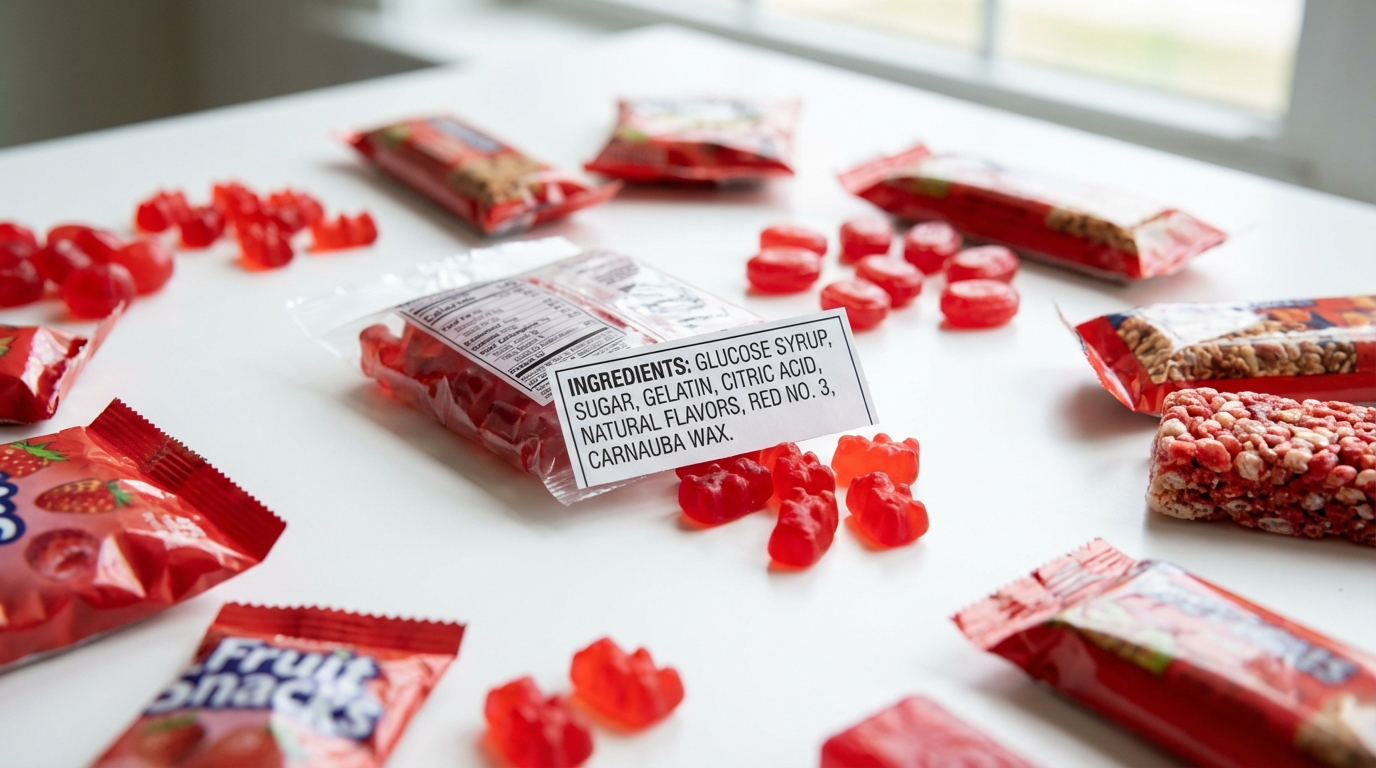
Red Dye No. 3 Banned From Food After 35 Years in Lipstick Exile
For 35 years, the FDA considered Red Dye No. 3 too dangerous to put on your lips but perfectly fine to put in your...