Microplastics Rank Among Top 10 Predictors of Chronic Disease as Brain Levels Surge 50%
Researchers analyzed 154 socioeconomic and environmental factors to determine which best predicted chronic disease across 555 U.S. communities. Microplastics landed in the top 10. That finding, presented at the American College of Cardiology's annual scientific session on March 25, 2025, adds population-level evidence to a growing body of research that already links plastic particles to dementia, cardiovascular disease, and organ damage.
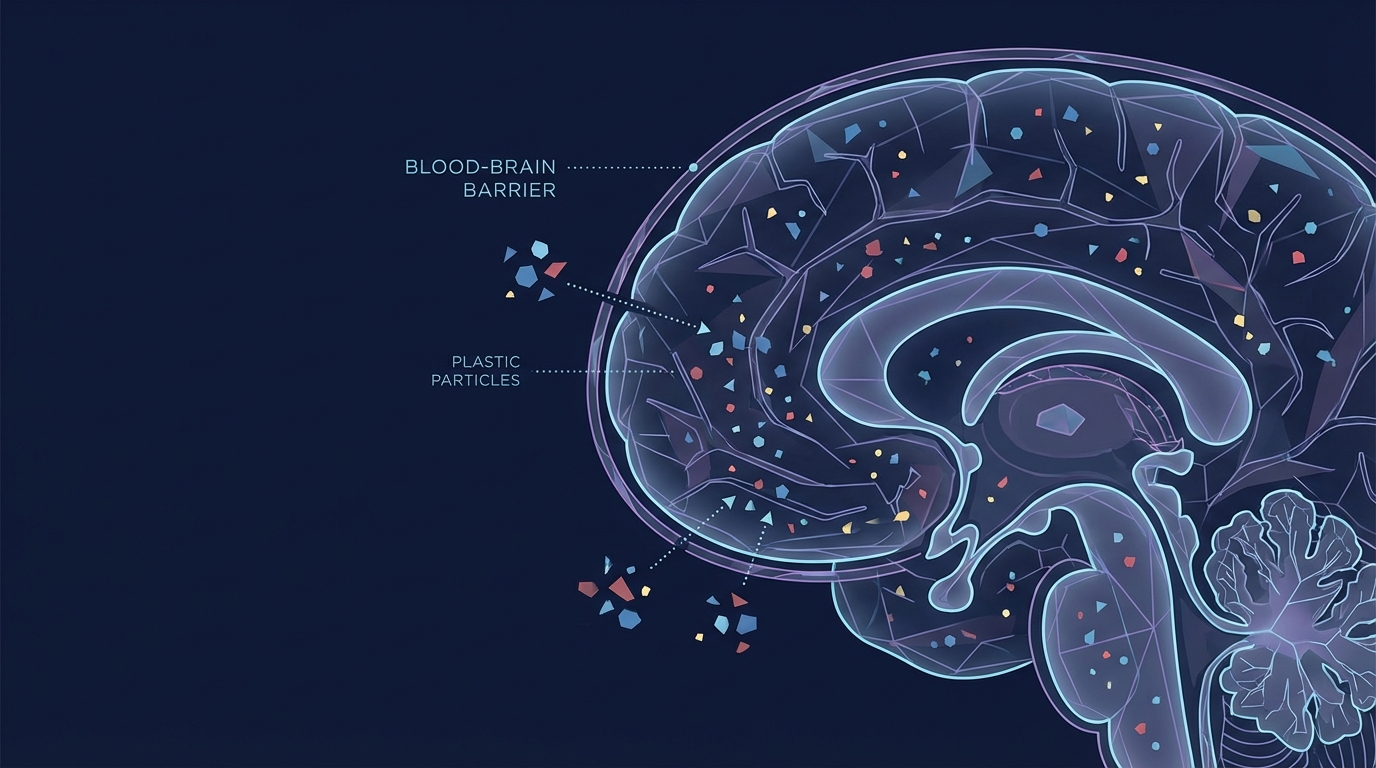
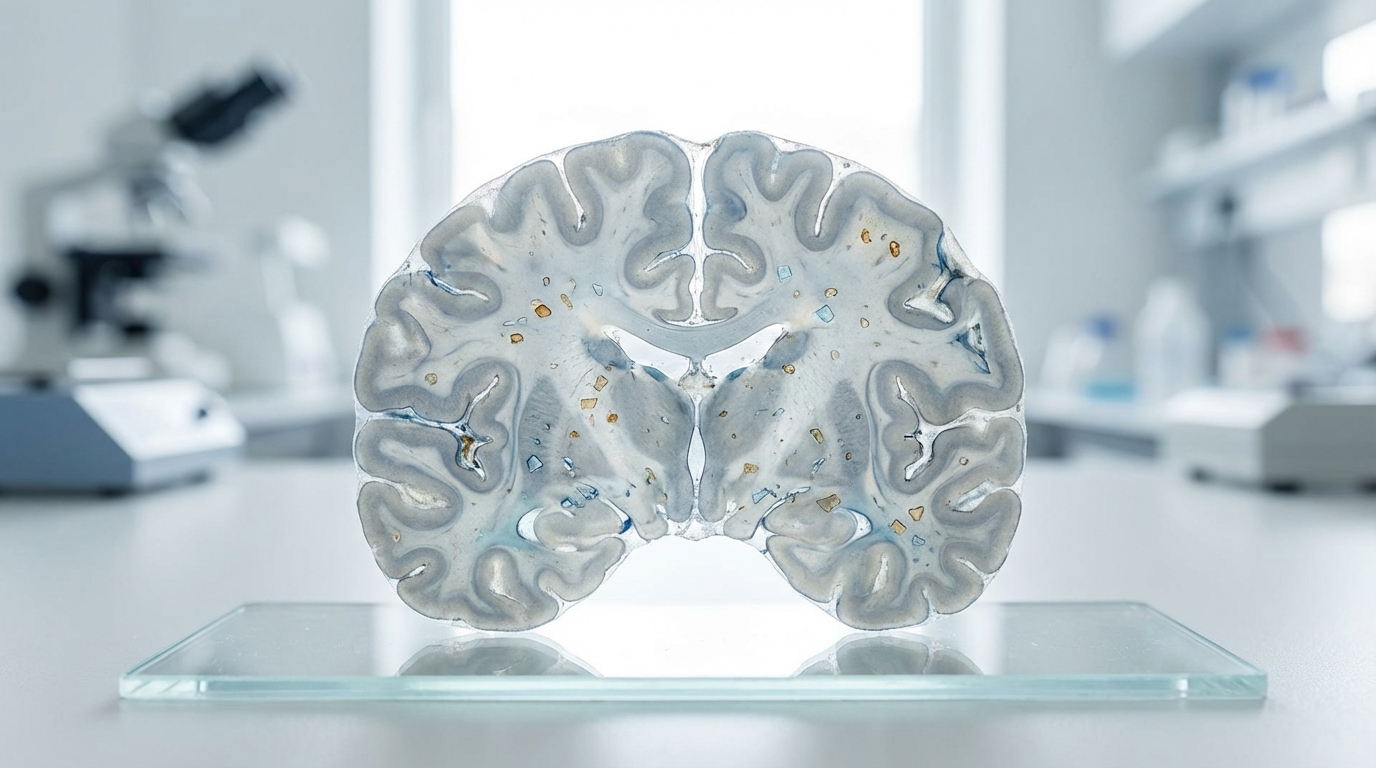
The same month, a separate study published in Nature Medicine confirmed that human brains are accumulating plastic at an accelerating rate. Brain plastic concentrations increased roughly 50% between 2016 and 2024. Tissue from dementia patients contained up to 10 times more plastic than tissue from people without dementia.
These are not theoretical risks. The plastic is already inside us, and the health consequences are becoming measurable.
What the Research Found
Plastic in the Brain: The Nature Medicine Study
On February 3, 2025, a team led by Matthew Campen, PhD, at the University of New Mexico College of Pharmacy published findings in Nature Medicine that put hard numbers on the problem. The researchers analyzed 52 frontal cortex specimens from deceased individuals, 28 collected in 2016 and 24 collected in 2024.
Brain tissue harbored 7 to 30 times more microplastics by proportion than liver or kidney tissue. The dominant polymer was polyethylene, the plastic found in grocery bags, food packaging, and plastic wrap. The particles were shard-like fragments approximately 200 nanometers across, roughly two to three times the width of a virus.
According to CNN, the total amount of plastic found in 2024 brain samples was roughly equivalent to a plastic spoon.
"I never would have imagined it was this high," said Campen. "I certainly don't feel comfortable with this much plastic in my brain."
Brain tissue from patients with documented dementia diagnoses showed far higher concentrations. The UNM Health Sciences Center reported that dementia patients had up to 10 times more plastic in their brain tissue compared to those without the diagnosis.
The researchers identified 12 different polymer types across the tissue samples. These tiny fragments are crossing the blood-brain barrier, a protective membrane that filters most foreign substances from reaching the brain. The fact that plastic particles bypass this barrier and then accumulate, rather than being cleared, raises questions that the scientific community is only beginning to answer.
"I have yet to encounter a single human being who says, 'There's a bunch of plastic in my brain and I'm totally cool with that,'" Campen noted.
Chronic Disease at the Community Level: The ACC Study
A separate research team, led by Sai Rahul Ponnana at Case Western Reserve University, took a different approach. Instead of looking inside individual bodies, they examined whether microplastic exposure correlated with disease rates across communities.
The researchers studied 555 U.S. census tracts along coasts and lakeshores from 2015 to 2019, integrating microplastic concentration data with CDC PLACES health statistics. They ran the data through an XGBoost machine learning model that analyzed 154 different socioeconomic and environmental features as potential predictors of chronic disease.
Microplastics correlated with higher rates of three specific conditions: hypertension, diabetes, and stroke. The correlation coefficients were 0.24 for hypertension, 0.3 for diabetes, and 0.26 for stroke, as reported by the American Journal of Managed Care.
The correlation itself is notable, but the ranking tells the bigger story. Out of 154 factors analyzed, microplastics placed in the top 10 as a predictor of chronic noncommunicable disease. For stroke risk specifically, microplastics carried predictive power comparable to minority race and lack of health insurance, two factors long recognized as major health determinants.
"When we included 154 different socioeconomic and environmental features in our analysis, we didn't expect microplastics to rank in the top 10 for predicting chronic noncommunicable disease prevalence," said Ponnana.
The study also revealed a dose-response relationship: higher microplastic concentrations in local waterways were associated with higher disease prevalence in nearby communities.
How Plastic Gets Into Your Brain
The pathway from food to brain involves multiple exposure routes, but food consumption is the primary one.
Plastic enters the food supply through packaging (containers, wraps, liners), processing equipment, agricultural practices (plastic mulch, irrigation systems), and environmental contamination of soil and water. Once ingested, the smallest particles, those measured in nanometers rather than micrometers, can pass through the gut lining and enter the bloodstream.
From the bloodstream, these nanoplastics reach every organ. CNN reported that researchers have now found tiny pieces of plastic in placenta, breastmilk, testes, liver, kidneys, carotid arteries, and brain tissue. But the brain appears to be a particular sink for these particles. The Nature Medicine study found that brains accumulated 7 to 30 times more plastic by proportion than other organs tested.
The UNM team suspects that food consumption, particularly meat and processed foods, is the primary ingestion route for the plastics that end up in the brain. Ultra-processed foods, which make up the majority of calories consumed in the typical American diet, contain significantly more microplastics than whole foods. This is due to both the packaging these foods come in and the industrial processing they undergo.
Adults ingest approximately one credit card's worth of microplastics per week, according to estimates cited by Stanford Medicine. The CDC has reported that 90% of human blood samples contain detectable levels of microplastics.
Why This Matters for Public Health
These two studies, published within weeks of each other in early 2025, establish something that earlier research only hinted at: microplastics are not just present in human bodies, they are actively associated with disease.
The brain accumulation study links plastic directly to dementia, a condition that already affects more than 55 million people worldwide and is projected to triple by 2050. The community-level study links plastic exposure to three of the most common chronic diseases in the United States: hypertension affects nearly half of American adults, diabetes affects roughly 1 in 10, and stroke remains a leading cause of death and disability.
The 50% increase in brain plastic concentrations over just eight years is particularly alarming because it suggests the problem is worsening. Global plastic production continues to rise. Packaging is becoming more ubiquitous. And the regulatory response has been minimal.
What You Can Do
Reducing microplastic exposure requires changes at both individual and systemic levels. At the individual level, the evidence points to several practical steps.
Avoid heating food in plastic containers. Heat accelerates the release of micro and nanoplastic particles into food. Use glass, stainless steel, or ceramic containers for storing and reheating food.
Reduce consumption of ultra-processed foods. These products undergo extensive manufacturing in plastic-lined equipment and are stored in plastic packaging for extended periods. Whole foods, particularly those purchased without plastic packaging, carry a lower microplastic load.
Filter your water. Some filtration systems can remove a portion of microplastic particles from drinking water. Avoid drinking from plastic bottles when alternatives are available.
Choose food products that have been tested for contaminant levels. Apps like VeriFoods allow consumers to scan product barcodes and check whether items have been independently tested for contaminants, including microplastics. Knowing which products carry higher or lower contamination loads helps inform everyday purchasing decisions.
Pay attention to food packaging materials. Products packaged in glass, paper, or metal generally transfer fewer plastic particles than those in flexible plastic packaging.
The science is clear that plastic is accumulating in human tissue and that this accumulation is associated with serious health outcomes. The scale of the problem, measured now in spoons of plastic per brain and in population-level disease correlations, demands both personal vigilance and policy action.
Stay ahead of the label.
Get early access to VeriFoods and be the first to see what's really in your food.
Sources
https://www.nature.com/articles/s41591-024-03453-1 - Nature Medicine, "Bioaccumulation of microplastics in decedent human brains," February 3, 2025
https://hscnews.unm.edu/news/hsc-newsroom-post-microplastics-human-brains - UNM Health Sciences Center, "UNM Researchers Find Alarmingly High Levels of Microplastics in Human Brains," February 28, 2025
https://www.acc.org/About-ACC/Press-Releases/2025/03/25/10/19/New-Evidence-Links-Microplastics-with-Chronic-Disease - American College of Cardiology, "New Evidence Links Microplastics with Chronic Disease," March 25, 2025
https://www.washingtonpost.com/climate-environment/2025/02/03/microplastics-human-brain-increase/ - The Washington Post, "Microplastics are accumulating in human brains, study shows," February 3, 2025
https://www.cnn.com/2025/02/03/health/plastics-inside-human-brain-wellness - CNN, "Human brain samples contain an entire spoon's worth of nanoplastics, study says," February 3, 2025
https://www.ajmc.com/view/microplastics-linked-to-higher-rates-of-hypertension-diabetes-stroke - American Journal of Managed Care, "Microplastics Linked to Higher Rates of Hypertension, Diabetes, Stroke," March 26, 2025
Related Articles

The truth about nanoplastics in bottled water
There’s no doubt that water is one of the healthiest choices you can make. It keeps you hydrated without adding...
Your Brain Now Contains a Spoonful of Plastic, and Levels Are Rising Fast
Human brains now contain microplastics at concentrations equivalent to the weight of a standard plastic spoon. That...

Microplastics Block Blood Flow to the Brain Within 30 Minutes, Study Finds
A January 2025 study in Science Advances found that microplastics in the bloodstream are consumed by immune cells,...