
The truth about nanoplastics in bottled water
There’s no doubt that water is one of the healthiest choices you can make. It keeps you hydrated without adding calories, sugar, or artificial ingredients to your diet.
And Americans are clearly paying attention. In 2022 alone, consumers in the U.S. purchased nearly 16 billion gallons of bottled water—spending $46 billion in the process.
While increased water consumption is a win for health, the reliance on plastic bottles introduces significant concerns. Many of these bottles end up polluting landfills and oceans. Worse yet, recent studies reveal they may also introduce nanoplastic particles into our bodies.
What Are Nanoplastics?
As the name suggests, nanoplastics are incredibly small fragments of plastic—so tiny they’re invisible to the naked eye and far smaller than a grain of dust.
These microscopic particles can leach into water stored in single-use plastic bottles, either through degradation of the plastic or during the bottling process itself.
How Many Nanoplastic Particles Are in Bottled Water?
We’ve known for years that plastics can break down into tiny particles that contaminate our food and beverages. But a breakthrough study published in January 2024 has revealed just how severe the problem might be.
Using cutting-edge detection techniques, researchers found that a single liter of bottled water can contain up to 240,000 plastic fragments—10 to 100 times more than previously estimated.
Source: Proceedings of the National Academy of Sciences
These findings are raising urgent questions about the safety of bottled water and the long-term effects of regular exposure to these invisible pollutants.
Are Nanoplastics Harmful to Human Health?
Swallowing hundreds of thousands of plastic particles doesn't sound ideal—and science is beginning to suggest that concern may be warranted.
While research is still in its early stages, especially regarding human health, laboratory and animal studies have shown that nanoplastics may:
- Trigger inflammation
- Disrupt immune system function
- Interfere with cellular activity in major organs
- Potentially increase cancer risk by altering cell behavior
Source: The Lancet EBioMedicine, ScienceDaily
It's important to note that direct evidence in humans remains limited, but the potential implications are enough to justify further research and increased public awareness.
Learn More
For a deeper dive into the topic and ongoing research, visit UCLA Health.
Stay ahead of the label.
Get early access to VeriFoods and be the first to see what's really in your food.
Related Articles
Your Food Packaging Is Shedding Microplastics Into Your Food—and It May Be Harming Your Metabolism
Every time you twist open a plastic water bottle, tear off a sheet of cling wrap, or steep a tea bag, you're likely...
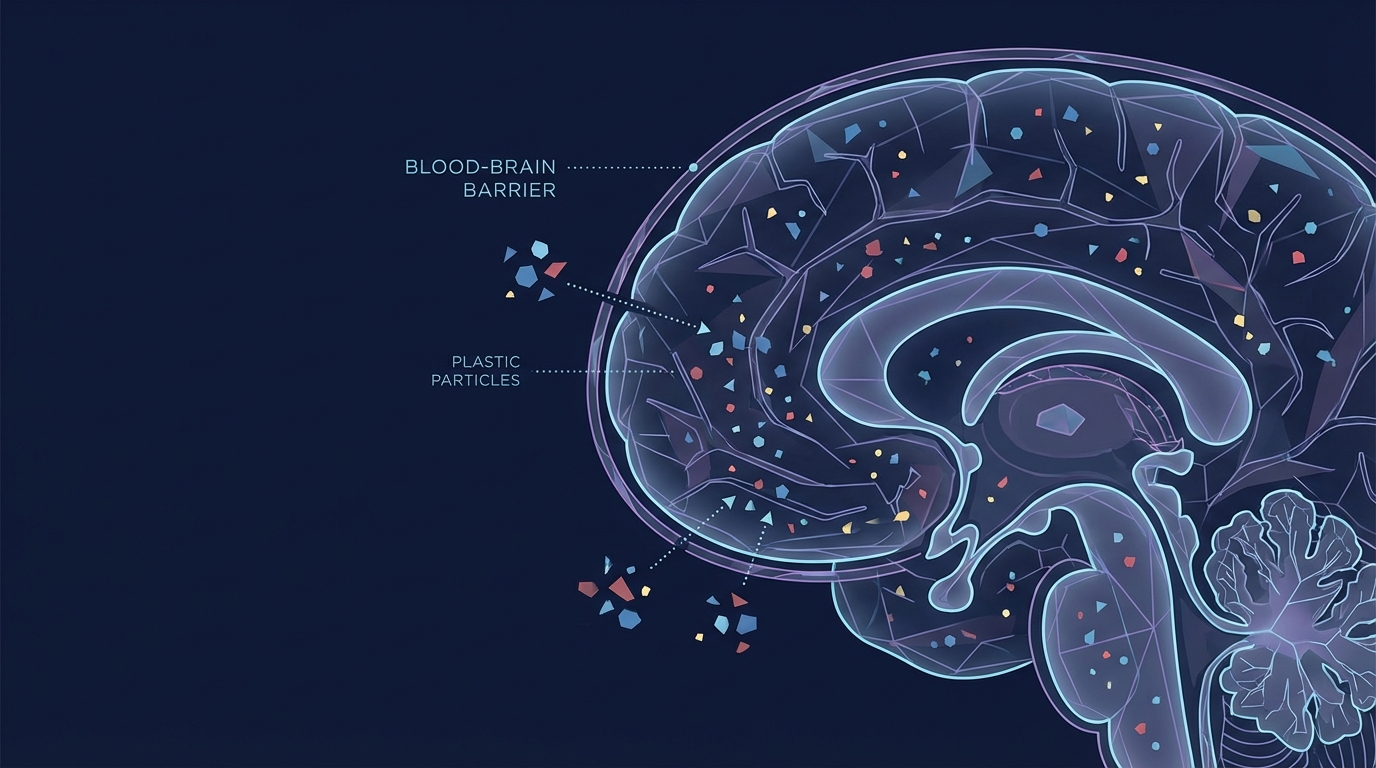
Microplastics Rank Among Top 10 Predictors of Chronic Disease as Brain Levels Surge 50%
Researchers analyzed 154 socioeconomic and environmental factors to determine which best predicted chronic disease...
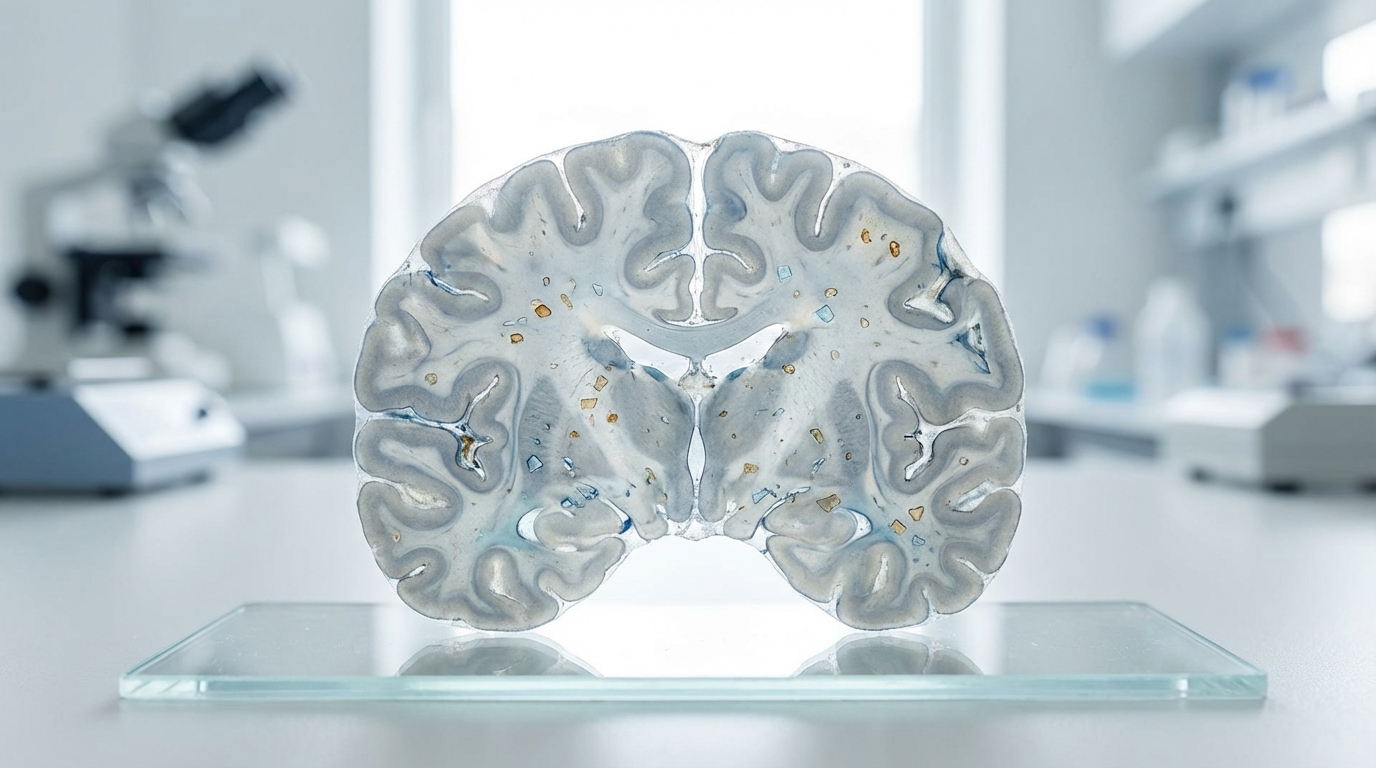
Your Brain Now Contains a Spoonful of Plastic, and Levels Are Rising Fast
Human brains now contain microplastics at concentrations equivalent to the weight of a standard plastic spoon. That...