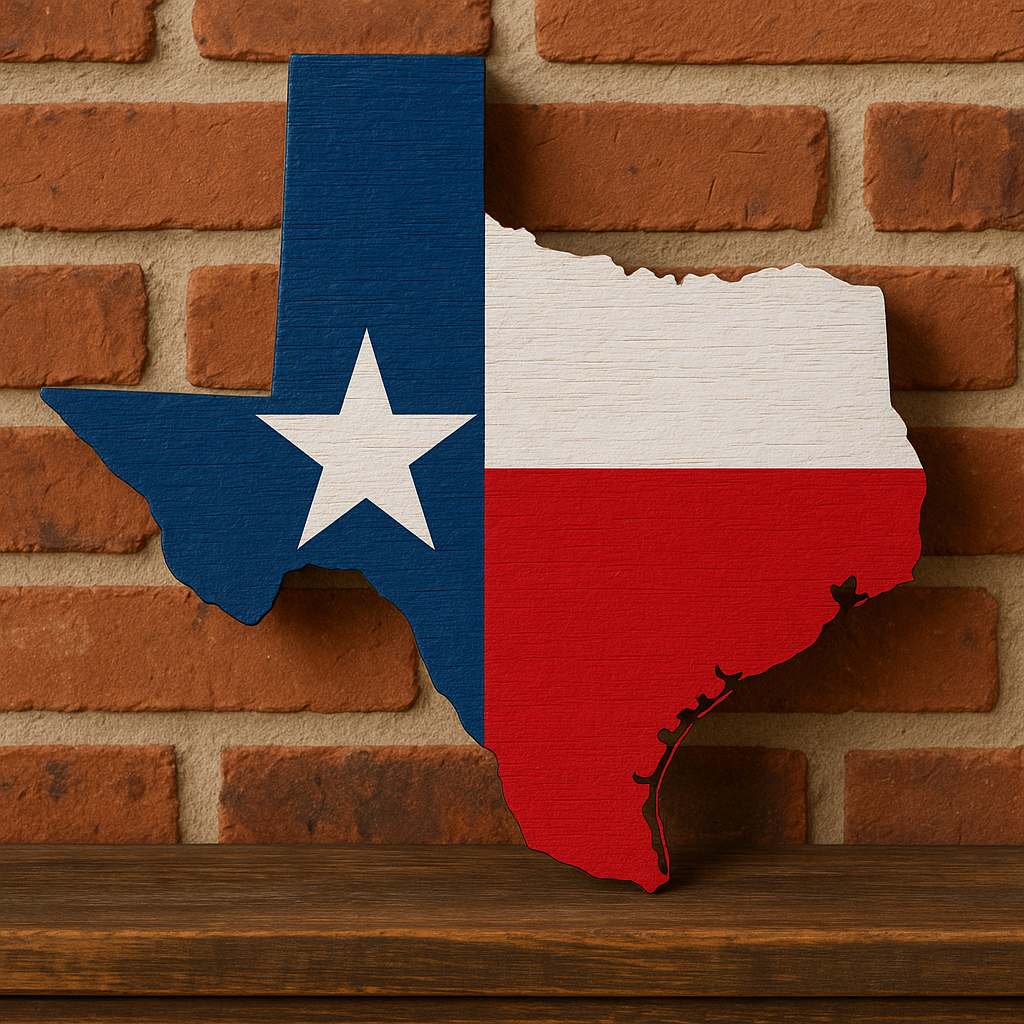
Texas Leads Nation With Mandatory Warning Labels on Artificial Food Additives
By VeriFoods
Texas has just made history as the first state in the nation to require warning labels on thousands of foods and beverages containing over 40 common artificial dyes and additives. This bold move, signed into law by Governor Greg Abbott, is already sending shockwaves through the food industry and could reshape how Americans think about what goes into their food.
For years, debates over food safety regulations have often been divided along political lines, with stricter measures usually emerging from states like California. But this time, a traditionally conservative state is leading the charge. According to Scott Faber of the Environmental Working Group, when a state as large as Texas makes a move like this, it can influence the entire national marketplace. Companies now face a tough choice: add the new warning labels, reformulate their products, stop selling in Texas, or challenge the law in court.
The Texas law is part of a broader health initiative inspired by Health and Human Services Secretary Robert F. Kennedy Jr.'s "Make America Healthy Again" (MAHA) agenda, which targets chronic disease and childhood illness. The law doesn't just address food additives; it also establishes a statewide nutrition advisory committee, requires more physical activity during the school day, and updates nutrition training for medical students. The bill's sponsor, Republican state senator Lois Kolkhorst, emphasized that this is about improving America's health outcomes, especially given the nation's soaring healthcare spending.
Unlike many other countries, the United States has not required warning labels on food products containing controversial additives. The new Texas law targets substances such as bleached flour, red dye 40, and yellow 50, among others. Products containing these ingredients will now need to carry a high-contrast warning label stating: "WARNING: This product contains an ingredient that is not recommended for consumption by the appropriate authority in Australia, Canada, the European Union, or the United Kingdom." This approach highlights the fact that many additives allowed in the U.S. are restricted or banned in other countries due to health concerns.
The food industry has pushed back hard, arguing that the required warning is misleading and could confuse consumers. The Consumer Brands Association, representing major food companies, insists that ingredients in the U.S. food supply are safe and have been thoroughly studied. They warn that the new law could drive up costs and create legal risks for brands. There is also the possibility that federal regulations could override the Texas law if the government declares these ingredients safe.
Despite these objections, the momentum for change appears strong. Major companies like Kraft Heinz and Tyson Foods have already announced plans to remove artificial colors from their products in response to similar moves in other states. The ripple effect of Texas's decision may prompt more states to take action, potentially leading to nationwide changes in how food is produced and labeled.
At VeriFoods, we believe that food should be as simple and close to nature as possible. While some industry voices claim that these additives are safe, we follow the precautionary principle: if the long-term effects of a substance are not fully understood, it is best to avoid it. That's why we conduct extensive third-party testing for a wide range of contaminants, including artificial dyes, heavy metals, pesticides, microplastics, and more, across thousands of products.
Will this change make a difference? Only time will tell how the food industry responds and whether other states will follow Texas's lead. But one thing is clear: the conversation about food safety and transparency is gaining momentum, and consumers are paying closer attention than ever to what is in their food.
💬 Does your family regularly use canned foods or plastic food containers?
Share your thoughts on this proposed ban in the comments below!
References:
- The Washington Post, June 23, 2025.
Stay ahead of the label.
Get early access to VeriFoods and be the first to see what's really in your food.
Related Articles
Texas Becomes First State to Require Warning Labels on Foods with Additives Banned in Other Countries
Texas Governor Greg Abbott signed SB 25, the "Make Texas Healthy Again" bill, mandating bold warning labels on packaged...
UK Proposes Sweeping Ban on BPA in Food Packaging for Safer Eating
By VeriFoods The UK is considering a significant move to protect public health by proposing a ban on Bisphenol A (BPA)...
States Rush to Ban Artificial Food Dyes as West Virginia Makes History
On March 24, 2025, West Virginia Governor Patrick Morrisey signed HB 2354 into law, making his state the first in...