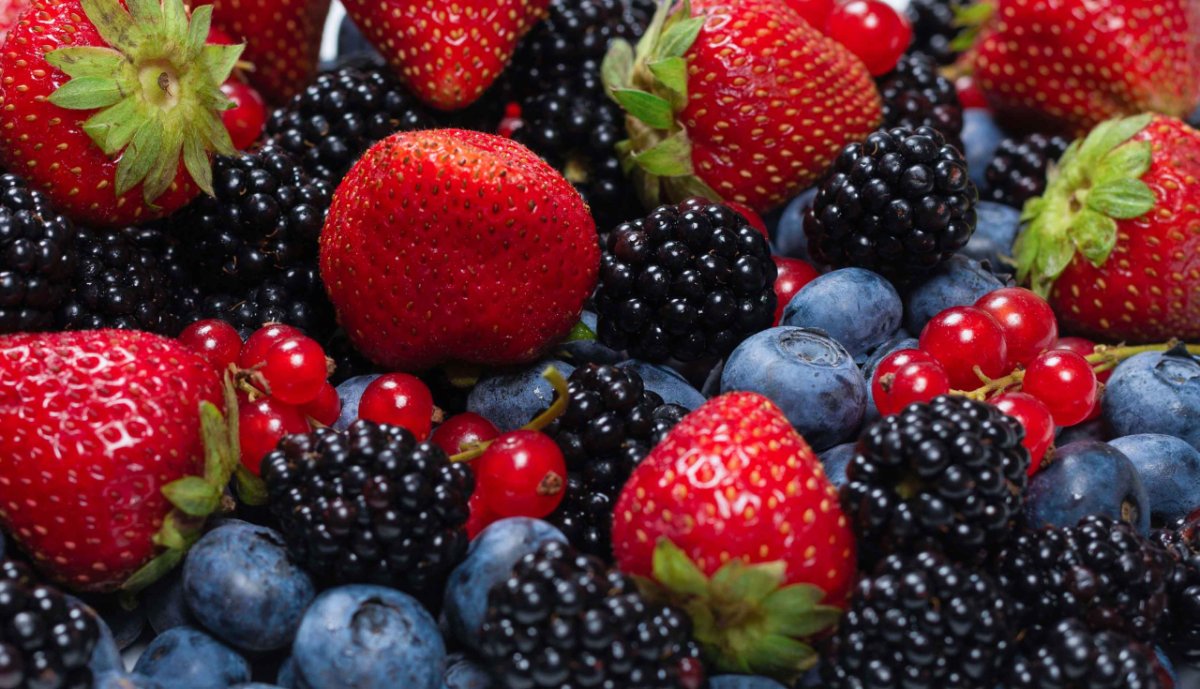
These Four Foods Are High In Pesticides – Try Organic To Reduce Your Exposure
Since 2004, EWG’s Shopper’s Guide to Pesticides in Produce™ has helped Americans choose the fruits and vegetables that are lowest in pesticides. EWG’s guide is based primarily on data from the Department of Agriculture’s Pesticide Data Program, with some from the Food and Drug Administration’s Pesticide Residue Monitoring program. It focuses on fresh fruits and vegetables, a major source of pesticide residues in our diets.
EWG recommends consumers buy organic versions of produce on the Dirty Dozen™, the list of fresh fruits and vegetables with the highest pesticide residues, and either conventional non-organic versions of the items on its Clean Fifteen™, the produce with the lowest pesticide residues.
The annual Shopper’s Guide is popular, but it’s not EWG’s only research on pesticides in food. EWG researchers also monitor the scientific literature on pesticides and work with independent laboratories to test other foods.
Through that work, we’ve found four other foods that can be a common source of pesticides in the diet. EWG recommends that consumers trying to reduce their dietary pesticide exposure buy organic versions of these foods, both in their unprocessed state and in products made with them.
Peer-reviewed studies routinely show that when people switch to an organic diet, the level of pesticides in their bodies drops rapidly.
1. Oats
Research by EWG and other advocacy groups has highlighted the pervasive contamination of our food supply, especially for conventional oats, with glyphosate, a chemical associated with an elevated risk of cancer.
Tests conducted by EWG in 2018 (round 1 and round 2) and 2019 detected the toxic pesticide glyphosate in more than 95 percent of the conventional oat-based products in our samples, including children’s cereals.
Through its Pesticide Data Program, the USDA tests fresh produce and some other foods for more than 500 pesticides. But shockingly, the agency typically does not test foods for glyphosate, even though it’s the most widely used pesticide in the U.S.
In 2023, EWG released results of tests revealing another pesticide, chlormequat, in 12 of the 13 oat-based foods we tested. Scientific studies have found this plant growth regulator can cause developmental and reproductive toxicity in animals, suggesting the potential for similar harm to humans.
More recently, EWG published a groundbreaking peer-reviewed study about chlormequat. Our research found chlormequat in the urine of four out of five of the people tested, and in 92 percent of the oat-based foods we sampled.
The USDA does not test oats or other foods for the chemical.
Switching to organic oats and organic oat-based products is the best way to reduce exposure to glyphosate and chlormequat from oat consumption.
2. Beans and legumes
Like oats, conventional beans and legumes are often sprayed with glyphosate right before harvest, causing residues to make it into food products. Glyphosate has been reported in pinto beans and in chickpea products such as hummus.
EWG tests conducted in 2020 found glyphosate in 60 percent of conventional bean and lentil samples and more than 80 percent of conventional hummus and chickpea samples.
The Canadian Food Inspection Agency detected glyphosate in nearly half the conventional bean, pea and lentil products tested in 2015 and 2016.
As with oats, organic chickpeas, hummus and other legumes and legume-based products contain much lower levels of glyphosate, if any.
3. Cilantro and basil
Like many fruits and vegetables, some herbs used in cooking, such as cilantro, can contain surprisingly high pesticide levels. For example, based on USDA tests of samples collected in 2019, the pesticide profile of cilantro is similar to those of spinach and kale, both of which are on the Dirty Dozen list.
Herbs are not included in the Shopper’s Guide ranking since they are not as widely consumed as other fruits and vegetables and are not tested as regularly by the USDA.
As with kale, the most frequently detected pesticide on cilantro is DCPA, often sold under the brand name Dacthal. The EPA classifies Dacthal as a possible human carcinogen, and it is not approved for use in the European Union.
The bee-killing neonicotinoid pesticide imidacloprid was the most commonly detected pesticide on more than half of basil samples collected by the USDA in 2019.
Other concerning pesticides detected on herbs include chlorpyrifos and pyrethroid insecticides, which are linked to harm to the developing nervous system.
Consumers who frequently cook with herbs should consider organic versions of cilantro and basil.
Stay ahead of the label.
Get early access to VeriFoods and be the first to see what's really in your food.
Related Articles
Trump Grants Glyphosate Makers Legal Immunity Under Defense Production Act
On February 18, 2026, President Trump signed an executive order that grants legal immunity to manufacturers of...
Florida Tests Find Glyphosate in 75% of Popular Bread Brands
Six out of eight popular bread products sold in American grocery stores contain glyphosate, the weed-killing chemical...

We Tested 100 Organic Baby pouches for Heavy Metals and Pesticides — Here’s What We Found
Parents trust baby food brands to provide their children with safe and nutritious meals, but recent testing of 100...